Plant Guide
-
-
-

-
July 30,2026
-
Zodiac-themed Bouquets Combined with Floral Language: Different Color Schemes Create More Artistic Birthday Surprises
-
Everyone hopes their birthday gift is not only beautiful but also expresses a unique sentiment. In recent years, more and more people have begun to incorporate zodiac elements into bouquet design, hoping to create truly personalized birthday surprises by combining floral language, colors, and zodiac personality traits. A bouquet is no longer just a simple combination of flowers, but an artwork that represents personality, emotions, and blessings.Zodiac signs represent different personality tendencies, while flowers possess rich symbolic meanings. When the two are combined, floral art gains more layers. For example, some people are passionate and outgoing, suitable for bouquets with high-saturation warm colors; others are gentle and delicate, more suitable for low-saturation pink and white color schemes. Through the overall design of color, flowers, and packaging, a bouquet can not only reflect the recipient's temperament but also make the entire birthday ceremony more atmospheric.Today, more and more florists are designing exclusive bouquets based on different zodiac signs, moving beyond fixed flower selections and innovating using color psychology, flower language, and modern aesthetics to give each birthday floral gift its own story.Different color schemes imbue bouquets with different emotions, creating a more artistic atmosphere for birthdays.Color is the element that most easily conveys emotions in a bouquet and is a crucial factor in determining its overall artistic feel. Even with the same flowers, different color combinations will present completely different visual effects.For fire signs, warm tones such as red, orange, and coral showcase vitality, confidence, and enthusiasm. These color schemes are not only full of life but also make the bouquet look more dazzling, perfect as a visual focal point for birthday celebrations. Adding a touch of gold wrapping paper or champagne-colored ribbon further enhances the overall sophistication.Earth signs are better suited to natural and soft earth tones, such as cream, off-white, caramel, and light green. These color schemes are not overly flamboyant but possess a timeless quality, conveying stable, warm, and reassuring emotions, perfectly suited to those who prefer a minimalist style.Air signs typically appreciate creativity and change, so try layered combinations of blue-purple, pale yellow, and white. The light gradient effect between different colors is both modern and expresses dynamism and freedom.Water signs are better suited to romantic and soft pinks, pale purples, misty blues, and creamy whites. These colors create a dreamy and warm atmosphere, making the bouquet more soothing and easier to express delicate and profound blessings.Besides the colors themselves, wrapping paper, ribbons, bows, and dried flower embellishments also affect the overall artistic effect. The popular Korean-style natural packaging, French minimalist design, and European vintage packaging in recent years have given zodiac bouquets more diverse visual expressions.Combining flower language with zodiac signs makes blessings warmer.Flower language has always been an important part of floral culture, and the meanings represented by different flowers can further strengthen the emotional expression of birthday wishes.If you want to express courage, confidence, and continuous growth, choose sunflowers as the main flower. They symbolize positivity and the pursuit of dreams, making them perfect for energetic and proactive individuals.For expressing romance and deep affection, roses remain a classic choice. However, different colors of roses carry different meanings. For example, pink represents gentleness and emotion, champagne symbolizes cherishing and companionship, and white signifies purity and sincerity. Matching different colors to your zodiac sign will make your wishes more fitting.Tulips represent beauty, hope, and happiness, making them suitable gifts for optimistic people; lisianthus symbolizes sincerity and eternity, making them suitable birthday gifts for friends or partners; hydrangeas symbolize completeness and reunion, making them perfect gifts for family members.For a more artistic feel, you can add eucalyptus leaves, silverleaf, chamomile, and daisies, which not only enrich the bouquet's layers but also soften the overall color scheme and create a more natural feel.It's important to note that a truly artistic bouquet isn't about having as many flowers as possible, but rather about creating a comfortable and rhythmic visual experience within a limited selection of flowers through color proportions, flower sizes, and negative space. This is why modern floral design increasingly emphasizes "design."Create a personalized birthday bouquet, making every flower delivery a cherished memory.With the increasing emphasis on personalized consumption, people are placing greater importance on the emotional value behind gifts. A truly unforgettable birthday bouquet involves more than just choosing flowers based on a zodiac sign; it requires design that considers age, profession, hobbies, and lifestyle.For example, travel enthusiasts can incorporate natural elements, using greenery to add vitality; art lovers can choose Morandi color schemes paired with geometric packaging for a more aesthetically pleasing design; photography aficionados can use cinematic color palettes to give the bouquet more depth and texture in photographs.To add a touch of ceremony, consider adding a handwritten greeting card, a nightlight, aromatherapy, a starry sky tag, or metal ornaments symbolizing a zodiac sign to complete the gift. When the recipient opens the bouquet, it's not just about seeing flowers, but about reading a personalized birthday message.Furthermore, adjusting the flowers according to the season is also an important way to enhance the quality of the gift. In spring, choose vibrant flowers like tulips and ranunculus; in summer, combine sunflowers and hydrangeas in bright colors; in autumn, pair them with caramel roses, reeds, and fruit branches to showcase harvest and warmth; and in winter, white roses, holly berries, and pine branches create a pure and sophisticated festive atmosphere.In the future, the design concept of zodiac bouquets will continue to innovate. From simple zodiac-themed flowers, it will evolve to incorporate birth month, lucky color, lucky number, astrological elements, and even fragrance experiences. Floral art will become not only an art of plants but also a creative design about emotional expression and the aesthetics of life.A truly excellent zodiac bouquet doesn't necessarily use the most expensive flowers, but through perfect color combinations, richly symbolic flower language, and a design language that reflects the recipient's personality, it allows them to feel genuinely understood and blessed on their birthday. When flowers carry the story of a zodiac sign and personalized wishes, they become more than just a gift; they become a cherished birthday memory, making every birthday celebration artistic, ceremonial, and uniquely meaningful.How Zodiac Bouquets Embossed Personalized Design TrendsFrom "Sending Flowers" to "Customized Floral Art": Satisfying the Emotional Expression of Different GroupsIn the past, people focused more on the freshness and vibrancy of flowers when choosing birthday bouquets. Now, more and more consumers are valuing the design philosophy behind the bouquet. Zodiac bouquets have gained attention under this trend. They not only incorporate the birthday date but also integrate personality analysis, lucky colors, and the language of flowers, giving each bouquet a more distinctive and unique label. For the giver, this customized design expresses the sentiment "I truly understand you"; for the recipient, it creates a stronger emotional resonance, making the gift more than just a simple present, but a thoughtfully considered and carefully prepared surprise.Floral Design Increasingly Emphasizes Overall Aesthetics, Not Just the Quantity of FlowersModern floral art has shifted from pursuing a "large and full" visual effect to focusing more on proportion, layering, and the artistic design of negative space. Zodiac bouquets also follow this concept. Designers adjust the height, color transitions, and packaging of the flowers according to the personality traits of different zodiac signs. For example, those who prefer a free-flowing style are suited to naturally scattered bouquets, while those seeking a more refined look are better suited to the structured Korean-style floral arrangements. Such designs not only enhance the overall aesthetic value but also make the bouquet a more suitable element for birthday photos, commemorations, and social sharing, further strengthening the ritualistic aspect of the gift.How to make a zodiac-themed bouquet a more unforgettable birthday experience?Beyond the flowers themselves, more and more birthday bouquets are incorporating creative designs, such as zodiac pendants, birthday date tags, customized greeting cards, lucky stone charms, scented cards, and even starry-themed packaging. These seemingly insignificant details allow the recipient to discover hidden surprises while appreciating the bouquet, increasing the anticipation of unwrapping the gift. For those who enjoy collecting keepsakes, these small accessories can be preserved for a long time even after the flowers have wilted, extending the beautiful memories of the birthday and further enhancing the emotional value of the gift.Choose bouquets according to different occasions to make the birthday surprise more complete.Birthday flower giving is no longer limited to family gatherings or romantic relationships; it's becoming increasingly common for office birthday celebrations, friend dinners, graduation celebrations, and long-distance gift-giving. Therefore, bouquet design needs to be adjusted according to different environments. For example, simple and lightweight bouquets are suitable for offices, as they are easy to place; for birthday celebrations in restaurants, more vibrant colors and a stronger visual impact are preferable; and for gifts sent to people in different locations, combinations of flowers with longer shelf lives are more suitable. By combining the scene, budget, and the recipient's lifestyle in the design, zodiac-themed bouquets not only showcase artistic beauty but also truly integrate into life, making every birthday celebration full of warmth and surprise.Birthdays come once a year, and surprises shouldn't be merely formalities. There's no need to blindly choose expensive flowers; learn to use color to create an atmosphere, use the language of flowers to convey emotions, and use zodiac signs to give a unique story. When the recipient receives the bouquet, sees the color scheme that matches their personality, and understands the blessings hidden behind the flowers, they will truly feel the unique weight of this gift. Stars have their orbits, flowers have their language; a carefully designed zodiac-themed bouquet blends the starlight into a sea of flowers, preserving the most sincere birthday wishes for a long time in the moment the flowers bloom.
-
-
July 23,2026
-
Alocasia Macrorrhizos Care & Growth Guide: Everything You Need to Know About Giant Taro
-
If you are searching for a bold, tropical statement plant that can instantly turn your garden, backyard, or indoor space into a lush jungle landscape, Alocasia macrorrhizos is one of the most rewarding choices you can grow. Commonly known as giant taro, giant elephant ear, or upright elephant ear, this striking tropical perennial is famous for its enormous, glossy green leaves, sturdy upright growth habit, and dramatic architectural presence. Unlike smaller, fussier alocasia varieties that struggle indoors, Alocasia macrorrhizos is robust, fast-growing, and surprisingly resilient when given basic tropical growing conditions. Popular across tropical and subtropical regions worldwide, it serves as both a stunning ornamental foliage plant and a traditional edible staple crop in many coastal and Southeast Asian communities.Many new plant lovers underestimate how large and vigorous Alocasia macrorrhizos can become. Under ideal outdoor conditions, it can grow into a towering foliage clump several meters tall, with individual leaves big enough to cover an adult human. Even when grown indoors as a houseplant, it develops large, lush foliage that adds incredible texture and depth to interior decor. However, despite its tough appearance, giant taro has very specific preferences for light, water, humidity, and soil structure. Without proper care, gardeners often face yellowing leaves, stunted growth, crispy leaf edges, or slow rhizome development. This detailed guide covers everything you need to know about Alocasia macrorrhizos, including its botanical characteristics, growth habits, seasonal care, common problems, toxicity notes, and practical landscape uses, helping you grow a healthy, vibrant plant year-round.Native to tropical rainforests, coastal lowlands, and humid subtropical zones across Southeast Asia, Australia, and the Pacific Islands, Alocasia macrorrhizos evolved to thrive in warm, bright, and extremely moist environments. In its natural wild habitat, it grows along riverbanks, forest margins, and wetland edges, receiving filtered bright sunlight, consistent high humidity, and rich, organic, well-draining soil. Unlike many delicate alocasia species that prefer deep shade, giant taro enjoys brighter light and can even handle partial direct sun, making it far more adaptable for outdoor garden planting. Its thick, upright rhizome stores plenty of water and nutrients, allowing it to survive short dry spells while supporting massive leaf growth. Understanding these wild growth habits is the key to replicating its natural vigor in home gardens and indoor environments.Botanically speaking, Alocasia macrorrhizos is a perennial rhizomatous plant belonging to the Araceae family. It features thick, sturdy upright stems and huge, broad, shield-shaped leaves with a smooth, waxy glossy texture. The leaves display a rich deep emerald green color with prominent raised veins that create a ribbed, textured surface. Each leaf grows vertically outward rather than drooping down, giving the plant a neat, upright, architectural shape different from trailing or spreading elephant ear varieties. During warm growing seasons, mature plants produce typical aroid flowers: pale green spathes with a central spadix, though blooms are rarely the main attraction, as the massive foliage remains the plant’s most stunning feature. After flowering, the plant may produce clusters of small red berries that contain seeds for natural propagation.One reason Alocasia macrorrhizos has remained popular for centuries is its dual functionality. In landscape design, it acts as a perfect tropical focal point, creating instant jungle-style layering in garden beds, patio corners, and water feature edges. Its large leaves provide excellent shade coverage for smaller undergrowth plants, while its upright structure adds vertical height to flat garden layouts. In traditional tropical communities, its starchy underground rhizomes serve as an important food source after thorough processing and cooking, while young leaves are also edible when properly prepared. However, it is critical to note that all raw parts of Alocasia macrorrhizos contain sharp calcium oxalate crystals, making the plant toxic to humans, cats, and dogs in its unprocessed state. Ingesting raw leaves or rhizomes causes severe throat irritation, swelling, and discomfort, so it must always be kept away from pets and young children in home landscapes.Optimal Growing Conditions for Alocasia MacrorrhizosLight is one of the most important factors that determine the size, color, and density of your giant taro’s foliage. In outdoor garden settings, Alocasia macrorrhizos thrives best in bright indirect sunlight or soft morning direct sun paired with afternoon shade. Early morning sunlight helps the plant develop deep green leaf color and strong stem thickness, while intense midday summer sun will scorch leaf surfaces, causing brown burnt patches and crispy edges. If planted in full heavy shade for too long, the plant will grow tall and leggy, with thin weak stems, pale dull leaves, and sparse foliage development. For indoor cultivation, place it near bright east or west-facing windows where it can receive consistent filtered light throughout the day. Low-light indoor environments will quickly slow growth and make the plant lose its signature lush tropical appearance.Temperature and humidity directly control the growth speed of Alocasia macrorrhizos. This tropical plant loves warm weather and grows most actively when temperatures stay between 20°C and 30°C. It cannot tolerate frost or freezing temperatures; any exposure below 10°C will slow growth dramatically, and temperatures below 5°C will cause severe cold damage or plant death. In temperate zones with cold winters, gardeners must dig up outdoor rhizomes and store them indoors or grow the plant in movable pots for winter protection. High humidity is equally essential. The plant prefers humidity levels above 60 percent. Dry indoor air, especially during winter heating seasons, causes leaf tip browning, curled foliage, and stunted new growth. Regular misting, pebble trays, or placement near humid outdoor spaces can effectively maintain its preferred moisture levels.Soil requirements for Alocasia macrorrhizos focus on richness, looseness, and drainage. It loves fertile, humus-heavy, slightly moist soil with a neutral to slightly acidic pH range. The ideal soil mix consists of rich garden loam, decomposed organic compost, peat moss, and a small amount of perlite or sand to improve drainage. Heavy clay soil that traps water will quickly lead to rhizome rot, one of the most fatal issues for giant taro. Unlike drought-tolerant succulents, this plant hates completely dry soil but cannot stand waterlogged conditions either. The perfect soil environment stays consistently damp, loose, and breathable, allowing the thick rhizome to absorb nutrients steadily without rotting. For potted plants, avoid cheap compact potting mixes; premium well-aerated tropical plant soil ensures long-term healthy growth.Watering routines for Alocasia macrorrhizos change significantly with the seasons. In spring and summer, its peak growing period, the plant consumes massive amounts of water to support fast leaf expansion. Gardeners should water deeply and frequently, keeping the entire root zone evenly moist at all times. During hot summer heatwaves, outdoor plants may need daily watering to prevent soil drying. In fall and winter, as temperatures drop and growth slows, you must reduce watering frequency gradually. Overwatering in cold weather is the main cause of rhizome rot during dormancy. Always check soil moisture before watering; if the top two inches of soil still feel damp, hold off on irrigation. For indoor potted giant taro, avoid letting standing water accumulate at the bottom of saucers to protect the root system year-round.Seasonal Care, Pruning and Fertilization GuideProper fertilization helps Alocasia macrorrhizos reach its full giant foliage potential. During the active growing season from spring to early autumn, regular feeding encourages larger leaves, thicker stems, and faster rhizome expansion. Organic fertilizer is always the best choice for this foliage plant. Well-rotted compost, worm castings, and diluted liquid organic fertilizer provide gentle, balanced nutrients without burning tender roots. You can apply slow-release granular fertilizer once every one to two months or use diluted liquid fertilizer every two weeks for continuous nutrition. Avoid high-nitrogen-only fertilizers, which produce overly soft, weak foliage prone to pest damage and leaf breakage. Stop all fertilization completely once late autumn arrives, as the plant enters natural dormancy and no longer needs extra nutrients.Pruning and daily maintenance for giant taro is simple and low-effort. The plant naturally sheds old lower leaves as new larger leaves grow from the center. You only need to trim off fully yellowed, damaged, or dead leaves regularly to keep the plant tidy and redirect energy toward new growth. Use clean, sharp pruning tools to make neat cuts, and avoid tearing stems or leaves, which can invite bacterial infection. If your plant grows too large for its space, you can trim oversized outer leaves to control size. In late winter or early spring before new growth emerges, you can clean up all leftover dead foliage to prepare the plant for vigorous spring regrowth. Regular pruning not only improves appearance but also increases air circulation around the plant base, reducing fungal disease risks.Seasonal protection is critical for gardeners living in non-tropical climates. In summer, provide light afternoon shade to prevent sunscald during extreme heat. Maintain consistent humidity and check leaves frequently for spider mites and aphids, which thrive in hot, dry conditions. In autumn, gradually reduce water and stop fertilizing to help the plant harden off before winter. Once temperatures drop near freezing, outdoor garden plants must be protected. In mild zones, a thick layer of mulch over the rhizome can insulate roots through light frost. In cold zones, dig up the rhizome, clean off soil, and store it in a cool, dry, dark indoor location until spring replanting. Potted plants can simply be moved indoors to a warm bright room for winter dormancy.Propagation of Alocasia macrorrhizos is straightforward and highly successful for home gardeners. The easiest method is rhizome division. During spring repotting or garden renewal, you can gently separate healthy offset rhizomes from the main parent clump. Ensure each divided section has at least one growing bud and a few healthy root strands. Let the cut surfaces dry and callus over for one day before replanting into fresh moist soil. Keep the new planted rhizomes in warm, bright, humid conditions, and new leaves will sprout within two to three weeks. You can also grow giant taro from fresh seeds harvested from ripe red berries, though rhizome division is far faster and more reliable for consistent plant growth.Common Problems, Pests and Disease SolutionsEven though Alocasia macrorrhizos is hardy, it faces a few common growing issues that most gardeners will encounter. Yellowing leaves are the most frequent problem. Lower old leaves turning slightly yellow is a normal aging process and requires no worry. However, widespread yellow foliage on new growth usually signals overwatering, poor drainage, or root rot. If leaves turn yellow and feel soft and mushy at the base, you need to stop watering immediately, improve soil drainage, and check for rotted rhizomes. On the opposite side, crispy brown leaf tips and edges are caused by low humidity, underwatering, or too much direct hot sunlight. Adjusting humidity and light conditions will quickly fix this issue.Pest infestations occasionally occur during hot, dry seasons. Spider mites, aphids, and mealybugs are the most common pests that target giant taro foliage. These tiny pests suck sap from leaves, causing faded color, stunted growth, and fine webbing on leaf surfaces. Regular leaf wiping and adequate humidity can prevent most pest outbreaks. When infestations appear, rinse leaves with clean water to remove pests, then apply diluted neem oil or organic insecticidal soap to eliminate remaining bugs. Always treat pest problems early, as severe long-term infestations will weaken the entire rhizome and affect next season’s growth.Fungal diseases such as leaf spot and root rot mainly happen due to excessive moisture and poor air circulation. Leaf spot creates brown or black spots on foliage, gradually expanding and damaging large leaf areas. Root rot occurs underground due to waterlogged soil, causing wilting, yellowing, and eventual plant collapse. To prevent disease, always use well-draining soil, avoid overhead watering that wets leaves, space plants properly for airflow, and clean up fallen debris regularly. Infected leaves should be pruned and discarded immediately to stop fungal spores from spreading.Landscape Value and Final Growing TipsAlocasia macrorrhizos remains one of the best large tropical foliage plants for home gardens and indoor decoration. Its towering size, glossy massive leaves, and evergreen growth in warm seasons bring unmatched tropical ambiance. Outdoors, it works perfectly as a landscape focal point, border planting, waterside decoration, and tropical garden backdrop. Indoors, a single mature potted giant taro can instantly upgrade living rooms, lobbies, and bright office spaces with a lush, exotic vibe. It pairs beautifully with ferns, calatheas, and small tropical foliage plants to create layered, rich garden scenes.Overall, Alocasia macrorrhizos is a low-maintenance, high-reward plant suitable for beginner and experienced gardeners alike. As long as you provide bright filtered light, warm temperatures, high humidity, rich well-draining soil, and seasonal watering adjustments, your giant taro will grow vigorously year after year. Always remember its toxic properties and place it safely away from pets and children. With simple daily care, this stunning giant tropical plant will grow bigger, lusher, and more beautiful each season, becoming the most eye-catching highlight in your garden or indoor plant collection.
-
-
July 07,2026
-
Potted Plants or Cut Flowers for Holidays? A Comparison of Aromatic Plant Gift Options
-
During holidays, people often express their blessings and sentiments through a plant gift. From birthdays and housewarmings to Mother's Day, Teacher's Day, Spring Festival, and Mid-Autumn Festival, fresh flowers and potted plants are always popular gift choices. In recent years, aromatic plants with natural fragrances have gained increasing attention from consumers, leading many to hesitate when choosing a gift: is a bouquet of cut flowers more ceremonial, or a potted aromatic plant that can provide long-term companionship more valuable?In fact, there is no absolute superiority or inferiority between these two gift-giving methods; rather, they are suitable for different occasions, recipients, and expressive needs. Only by understanding their respective characteristics can a plant gift truly fulfill its emotional value.1. Cut Flowers: Creating a Festive Atmosphere with Fleeting Yet Stunning BeautyThe greatest charm of cut flowers lies in their ability to quickly create a strong sense of festive ritual. The moment the recipient opens the package, the rich colors, exquisite flower shapes, and intoxicating fragrance often bring a strong visual and olfactory impact. This immediate sense of happiness is a major reason why cut flowers have always been so popular.For many important holidays, people prefer gifts that convey emotions immediately. Whether expressing gratitude, celebrating success, or conveying romance, a professionally arranged fragrant bouquet can quickly make the recipient feel the giver's thoughtfulness. Flowers with natural fragrances, such as roses, lilies, lisianthus, violets, and freesias, are frequently popular choices during holidays, and different scents can create a warm, elegant, or relaxed atmosphere.Furthermore, modern floral design is constantly enriching the forms of cut flowers. Besides traditional bouquets, there are now flower baskets, flower boxes, table centerpieces, and hand-held flower bags, making gifts more stylish and suitable for different age groups and holiday occasions. For corporate gifts, business visits, or large celebrations, cut flowers can often quickly enhance the atmosphere, becoming a choice that combines decoration and gift-giving functions.However, the biggest characteristic of cut flowers is also their biggest limitation—their relatively short lifespan. Even with preservation treatments, most fresh flowers can only maintain their best condition for a few days to about two weeks. Therefore, cut flowers are more suitable as gifts for immediate emotional expression than as long-term companionship gifts.2. Potted Plants: Transforming Blessings into Continuously Growing CompanionsCompared to cut flowers, aromatic potted plants emphasize long-term value. They are not just a gift, but a "green companion" that accompanies life. As the plant grows, the recipient will continuously recall the giver's blessings while caring for it, thus carrying a more enduring emotional significance.In recent years, more and more consumers have begun to favor aromatic potted plants such as rosemary, lavender, mint, lemon balm, gardenia, and jasmine. These plants not only possess natural fragrances but also have both ornamental and practical value. Some can be used to make tea or sachets, some can be used as culinary herbs, and others can improve the home environment, enriching the gift's purpose.For occasions such as moving to a new home, business openings, graduation anniversaries, or retirement celebrations, potted plants often carry more symbolic meaning than cut flowers. The continuous growth of plants represents hope, growth, prosperity, and vitality, making it easier to convey lasting blessings. Especially in modern homes, more and more people prefer to create natural and comfortable living spaces. A delicate, fragrant plant can seamlessly integrate into the living room, balcony, study, or office desk, becoming a part of daily lifea.Of course, potted plants also require a certain level of care. Different plants have different requirements for light, watering, temperature, and ventilation. If the recipient is busy or lacks experience in plant care, choosing a hardy variety is particularly important. Only when the plant grows healthily can the gift truly reflect its long-term value.3. Different Gift-Giving Methods for Different Holidays Better Express SincerityThe appropriateness of a gift largely depends on the occasion. Different holidays express different emotions, so plant gifts should also vary.For holidays emphasizing romance, such as Valentine's Day, anniversaries, proposals, or birthday parties, cut flowers are usually more likely to create a surprise. Fresh flowers can quickly brighten the scene, and the photos are more striking, perfectly matching the consumption habits of modern young people who value a sense of ritual.For family-oriented celebrations such as housewarmings or business openings, potted plants are easier to integrate into the home environment. Especially plants with natural fragrances not only decorate spaces but also provide lasting companionship, extending holiday blessings.Teacher's Day, Father's Day, and Mother's Day are holidays where both options are suitable. If you want to express gratitude and respect, a delicate bouquet can create an immediate feeling; if you want to convey long-term companionship and wishes for good health, a potted fragrant plant is more meaningful.As consumers increasingly value personalized expression, many combination gift options have emerged. For example, combining small potted plants with a few fresh flowers in a package retains the ritualistic feel of fresh flowers while offering the long-term value of plants. This innovative combination has gradually become a new trend in plant-based gifting in recent years.4. In-depth comparison of core dimensions for precise matching of gift-giving scenariosMany people struggle with gift-giving because they haven't distinguished between the scenario and their needs. Considering the fragrance experience, maintenance costs, emotional value, and suitable target audience, the suitable scenarios for the two gift-giving methods are completely different.If you're looking for an immediate sense of ritual, zero burden, and a strong atmosphere, prioritize fragrant cut flowers. For couples' dates, short holiday visits, and short celebrations for young people, the exquisite romance and stunning opening of cut flowers are irreplaceable. No need for the recipient to worry about maintenance; simply enjoy the beauty and fragrance in the moment, without the burden of subsequent care. Perfect for casual social occasions.If you value lasting symbolism, practicality, and enduring companionship, fragrant potted plants are the top choice. For housewarming gifts, birthday wishes for elders, expressions of gratitude to teachers, and deep friendships, the evergreen vitality and lingering fragrance of potted plants show thoughtfulness. It's not just a holiday gift, but a daily companion; every time you smell the fragrance and see the greenery, you'll remember the giver's sentiment, allowing blessings to last.From a fragrance perspective, cut flowers have a strong, concentrated, and powerful scent, suitable for short-term atmosphere creation; potted plants have a light, lingering, and soothing fragrance, suitable for long-term home companionship. In terms of maintenance costs, cut flowers only require watering and pruning, making them effortless; potted plants require regular care, suitable for those with leisure time, a love of life, and knowledge of plant care.5. How to choose a more suitable plant gift based on the recipient?A truly successful gift isn't just about price; it's about matching the recipient's lifestyle.For young people, aesthetics and social sharing are often key considerations, making beautifully presented and stylishly packaged cut flowers more appealing. If the recipient enjoys gardening, a small, well-designed, fragrant potted plant can also be a cherished gift.For elders, potted plants are often more acceptable. Many enjoy gardening, and a plant that continuously blooms or emits fragrance not only enriches their daily lives but also adds to the enjoyment of caring for plants.For office colleagues or business partners, aesthetics and practicality are both important. Cut flowers create a celebratory atmosphere, while easy-to-care-for small herbs and desktop plants are more convenient to display, don't take up much space, and can improve the office environment.If the recipient travels frequently, has a busy schedule, or lacks gardening experience, prioritize hardy, easy-to-care-for plants. If the recipient is a gardening enthusiast, choose a long-blooming, richly scented plant to make the gift more collectible.6. Aromatic Plant Gifts Are Shifting from "One-Time Consumption" to "Emotional Companionship"In recent years, people's understanding of plant gifts has been changing. In the past, flowers were primarily a holiday consumer good; now, more and more people are paying attention to the life value, emotional value, and environmental protection concepts behind plants. Consumers not only want gifts that are beautiful, but also that they can accompany life, improve the environment, and become part of daily memories.Therefore, whether it's cut flowers or potted plants, they are no longer just simple plant products, but important mediums for emotional exchange between people. Cut flowers excel at creating instant surprises, making holidays more romantic and vibrant; potted plants, through continuous growth, extend blessings into every day of the future.For gift givers, there is no absolutely right choice, only the most suitable way of expression. Understanding the holiday atmosphere, the recipient, and the characteristics of the plant, combined with the unique natural charm of aromatic plants, a plant gift can transcend the item itself and become a cherished emotional memory. When the fragrance of flowers blends into life, and when plants accompany growth, every gift-giving is not only a holiday ritual, but also a continuation of warm relationships between people.
-
-
June 24,2026
-
Conveying Sentiments Through Floral Fragrance: The Cultural Significance of Gifting Flowers on International Holidays
-
Throughout the long course of human civilization, flowers have consistently served as messengers of emotion. Regardless of language barriers, people have always used the colors, fragrances, and forms of flowers to express heartfelt blessings, gratitude, love, and longing. As global cultural exchange intensifies and more international holidays gain recognition, the customs surrounding flower-giving on these occasions reveal rich and unique cultural meanings.A bouquet may appear simple, yet it carries a profound emotional code. Understanding the culture of flower-giving associated with various holidays not only adds warmth to one's well-wishes but also fosters more nuanced and sincere emotional connections between people.I. Traditional Holidays Emphasize Cultural Heritage; Modern Holidays Prioritize Personal ChoiceThe choice of flowers for traditional holidays is often deeply rooted in convention. Over centuries, different regions have developed established customs regarding flower-giving. In China, for instance, displaying "New Year flowers" during the Spring Festival, admiring osmanthus blossoms during the Mid-Autumn Festival, and viewing chrysanthemums during the Double Ninth Festival are practices where specific flowers have become integral parts of the holiday culture itself.Similarly, in Europe, lilies symbolize rebirth and hope during Easter, while poinsettias, holly, and mistletoe create a festive atmosphere at Christmas. In Japan, cherry blossom viewing (*hanami*) in spring celebrates the *sakura* as a symbol of life’s fleeting beauty. In Mexico, marigolds are widely used during the Day of the Dead, their vibrant blooms guiding the souls of departed loved ones back for a reunion. These flowers do more than decorate; they embody local history, beliefs, and folklore, having evolved over time into essential components of holiday culture.Modern holidays, by contrast, place greater emphasis on personalized expression. Younger consumers select floral varieties based on the recipient's preferences, personality, and even profession. Beyond traditional roses, sunflowers, lisianthus, hydrangeas, tulips, and various creative bouquet arrangements are gaining popularity. The approach to gifting has shifted from adhering to tradition to curating bespoke floral gifts that reflect specific emotions.II. Valentine’s Day: Roses Convey Love Across BordersValentine’s Day, celebrated annually on February 14th, stands as one of the most iconic occasions for flower-giving worldwide. In many countries, people choose to give roses to express admiration and romance.Red roses are considered a symbol of true love; their rich color and elegant shape have long been closely associated with romance. Many people choose to give 11, 33, or 99 roses to convey beautiful sentiments such as "wholehearted devotion," "love spanning three lifetimes," or "everlasting love."Beyond the classic red rose, pink roses represent tenderness and admiration, white roses symbolize purity and loyalty, and champagne-colored roses convey a mature, understated affection. Today, combining roses of different colors has also become a new way for young people to express their unique emotions.In addition to roses, many European countries prefer tulips as Valentine's Day gifts; red tulips offer a more subtle declaration of love than red roses, signifying "unique affection," while purple tulips symbolize unwavering loyalty, making them ideal for couples wishing to make a long-term commitment. It is crucial to be aware of universal floral taboos: in most Western countries, yellow roses signify jealousy, separation, and the end of a friendship, so they should never be given to a romantic partner; white chrysanthemums are associated with mourning and should be strictly avoided on Valentine's Day. A bouquet that truly resonates with the recipient's feelings is far more moving than a generic arrangement of 99 red roses chosen simply to follow a trend.Notably, in Western countries, the exchange of flowers on Valentine's Day is not limited to romantic partners; family members and friends also exchange flowers to express care and well-wishes. This transforms flowers from mere symbols of romance into vessels for warm, heartfelt emotions.III. Mother's Day: Gratitude and Companionship in CarnationsMother's Day is celebrated in many countries around the world on the second Sunday of May. As the quintessential flower of the occasion, the carnation has become a globally recognized symbol of the holiday.Pink carnations symbolize a mother's selfless love and tenderness; red carnations represent gratitude and deep respect; and white carnations are often used to honor mothers who have passed away. Together, these different colored carnations create the unique language of flowers associated with Mother's Day.Rather than expensive, lavish bouquets, many mothers value the heartfelt sentiment behind the flowers more than anything else. A bouquet of carnations carrying heartfelt wishes can often evoke the deepest emotional bonds among family members.In recent years, people have begun pairing carnations with flowers such as lilies, sunflowers, and hydrangeas to add layers and depth to Mother's Day floral gifts. Yet, regardless of the specific blooms chosen, "gratitude" remains the core theme of the holiday's gift-giving culture.IV. International Women's Day: Flowers Witnessing Female Strength and BeautyFlowers are an indispensable element of International Women's Day, celebrated annually on March 8th.In many countries and regions, people present flowers to mothers, wives, colleagues, and friends to express respect and well-wishes. Unlike Valentine's Day, which emphasizes romance, gift-giving on Women's Day focuses more on acknowledging the value and contributions of women.In some European countries, the mimosa is considered a symbol of Women's Day. Its clusters of vibrant golden-yellow blossoms embody female resilience, confidence, and independence, while their tenacious vitality symbolizes the vital role women play in social progress.In Asia, however, flowers such as tulips, lilies, and carnations are more popular. Tulips represent elegance and beauty, lilies symbolize purity and hope, and pink bouquets convey respect and appreciation.The significance of giving flowers on Women's Day has evolved from traditional holiday etiquette into a gesture of encouragement for women's personal growth, struggles, and dreams. Behind every bouquet lies an affirmation and celebration of women's worth.Moreover, the atmosphere of giving flowers on Women's Day differs from the romantic tone of Valentine's Day; the focus here is on respect and admiration. One should avoid gifting flowers that carry strong romantic connotations—such as bright red roses—to prevent social awkwardness. This reflects a global consensus on floral etiquette: when giving flowers for a holiday, it is essential to distinguish emotional boundaries before conveying one's sentiments.V. Christmas: Blessings and Reunions Amidst Winter Floral FragranceChristmas, celebrated on December 25th, is a major holiday with global influence and a rich tradition of botanical symbolism.Unlike the fresh blooms of spring and summer, Christmas emphasizes a festive atmosphere and family reunions. Consequently, winter-specific flowers and plants play a key role in holiday decorations.The poinsettia is one of the most iconic holiday plants. Its vibrant red leaves symbolize festivity, hope, and blessings, and it is frequently displayed in living rooms, shopping malls, and public spaces.In addition, plants such as holly, pine boughs, eucalyptus, and white lilies often feature in Christmas floral arrangements. Green symbolizes life and hope, red represents warmth and passion, while white conveys purity and peace.In many countries, people bring floral gifts when attending Christmas gatherings or visiting friends and family. More than just a gift, fresh flowers serve as a warm expression of emotion, fostering a sense of closeness between people during the cold winter months.VI. International Day of Friendship: Conveying Pure Friendship Through FlowersEstablished by the United Nations, International Day of Friendship falls on July 30th each year and aims to promote peace, solidarity, and cross-cultural exchange. Compared to romantic love or familial affection, the expression of friendship is often more understated, yet it is equally worthy of being cherished.The day was established to encourage people to value sincere friendships. On this day, people in some countries exchange flowers to mark the occasion.Sunflowers are iconic symbols of friendship. Always turning toward the sun, they represent positivity, optimism, loyal companionship, and warm support—much like true friends who empower one another through the various stages of life.Yellow tulips are another popular choice. Their bright color symbolizes happiness and blessings, effectively conveying sincere, friendly sentiments.Unlike romantic bouquets, friendship bouquets tend to have a more natural, relaxed feel, emphasizing shared joy and mutual encouragement. They remind us that, amidst the fast pace of modern life, friendship is something worth nurturing and expressing wholeheartedly.VII. Thanksgiving: Carnations Carry Gratitude; Flowers Foster a Two-Way Exchange of WarmthThanksgiving—which originated in the United States and is now celebrated worldwide—falls on the fourth Thursday of November. Its core themes are gratitude for the people we meet and the reciprocation of kindness; it is one of the few international holidays centered specifically on the sentiment of thankfulness. While many mistakenly believe that only carnations should be given on Thanksgiving, different countries actually have their own unique floral gifting customs. In North America, red and pink carnations remain the perennial favorites for Thanksgiving; their soft, enduring blooms symbolize gratitude and staying true to one’s roots—making them perfect gifts for parents, mentors, and benefactors. Meanwhile, European countries often favor golden sunflowers and calendulas; these warm, golden hues echo the holiday’s origins in the harvest season, celebrating the gifts of time and the companionship of others. Lilies serve as a versatile choice—clean, elegant, and suitable for any expression of gratitude, regardless of age or the nature of the relationship.There are no strict taboos when gifting flowers for Thanksgiving; sincerity is what matters most. Unlike other holidays that often turn into a competition of elaborate rituals, Thanksgiving flowers are not about the size of the bouquet. Instead, their fragrance serves as a gentle reminder: gratitude need not always be spoken aloud—the flowers themselves convey the heart's true intent.VIII. Why Flowers Are a Universal Language of EmotionA look at international holidays reveals that, despite diverse cultural backgrounds, flowers consistently hold shared emotional value.Flowers transcend national borders, bridging linguistic and cultural divides. The sight of a blooming flower naturally evokes thoughts of beauty, hope, and vitality. It is precisely for this reason that flowers have become one of the most universally understood mediums for expressing emotion.Moreover, every flower carries its own unique "language." Roses symbolize love; carnations, maternal affection; sunflowers, companionship; and lilies, blessings. These culturally ingrained symbols endow flowers with a rich capacity to convey complex emotions.In an era dominated by digital communication, a tangible bouquet of fresh flowers feels all the more precious. It is more than just a gift; it is a heartfelt ritual of emotional expression.IX. Flowers Speak Without Words; Sentiments Find Their WayAs the art of floristry becomes increasingly popular, we need not blindly chase after trendy bouquets. By understanding the floral culture behind the holidays and grasping the subtle meanings of colors and varieties, we can ensure that every bouquet we give perfectly reflects our true feelings. The most profound expression of affection is not found in an expensive floral gift, but in a deep understanding of flowers, the recipient, and the nuances of the moment. Using flowers as a messenger—letting their subtle fragrance convey sentiment—allows the silent blooms to speak volumes, ensuring our heartfelt intentions are fully understood. From Valentine’s Day roses to Mother’s Day carnations, and from Women’s Day bouquets to festive Christmas floral arrangements, fresh flowers have always played a unique role in human emotional connection. While different international holidays imbue flowers with varied meanings, these meanings ultimately converge on a single theme: the sincere emotional bonds shared between people.When we learn to appreciate the cultural significance behind the gift of flowers, we better understand how to use their fragrance to express our truest emotions. A bouquet may not be able to articulate a thousand words, yet the warmth and blessings it conveys can leave behind lasting, beautiful memories in people's hearts.
-
-
June 09,2026
-
Fresh Flowers Bring Vitality, Dried Flowers Offer Delight: A Guide to Choosing High-Quality, Fragrant Plants for Long-Term Enjoyment
-
Fresh flowers and dried flowers, seemingly two stages in a plant's life cycle, embody vastly different aesthetic experiences. Fresh flowers possess the most vibrant colors and vitality, blooming to their fullest during their brief flowering period; dried flowers, on the other hand, freeze time, capturing the most beautiful posture of the blossoms, exuding a unique charm over the long years. In recent years, more and more people have begun to appreciate both fresh and dried flowers simultaneously, no longer viewing them as substitutes, but rather as different expressions of plant aesthetics.From spring gardens to home décor, from holiday gifts to everyday companionship, fresh and dried flowers are entering people's lives with their unique charm. Fresh flowers allow us to feel the vibrant vitality of nature, while dried flowers allow us to savor the tranquility and elegance that comes with age. Together, they constitute an artistic language about time, life, and beauty.I. The Beauty of Fresh Flowers: The Most Moving Expression of VitalityEvery fresh flower is a love letter written by nature.As the morning sun shines on the petals and dewdrops slowly slide off, flowers reveal their most authentic and moving state of life. Whether it's the vibrant sunflower, the romantic and elegant rose, or the delicate and refreshing lisianthus, each flower interprets the vitality of life in its own way. In addition, the lively and playful daisy, the gentle and graceful lily of the valley, and the bright and romantic cosmos are also frequently seen ornamental flowers, their diverse forms showcasing the unique freshness of nature.The greatest charm of flowers lies in their "present moment." Flowers bloom and fade in their own time; it is precisely because of their fleeting nature that they are precious. Many people like to place fresh flowers in their homes, not only to decorate the space but also to create a sense of continuous renewal in their lives. When a bouquet of fresh flowers is placed in a vase, the entire room seems to be infused with new energy.Psychological research has also found that natural plants can effectively relieve stress and improve mood. The vibrant colors and natural forms of flowers can stimulate the senses, bringing pleasure and relaxation. After a busy day, seeing flowers still blooming on the table often evokes a warm and positive emotion.Flowers also possess a unique and captivating fragrance. The sweetness of jasmine, the richness of gardenia, the soothing aroma of lavender, and the fragrance of osmanthus can all fill a space with a natural ambiance. This fragrance, derived from the plants themselves, not only uplifts the mood but is also a major reason why many people love flowers. The sweet and fragrant tuberose and the delicate herbaceous scent of lily of the valley are also high-quality flowers with their own natural aroma; a gentle breeze carries their subtle fragrance throughout the house.At the same time, flowers are the most direct manifestation of seasonal changes. Spring brings cherry blossoms and tulips; summer brings lotus and hydrangeas; autumn brings chrysanthemums and osmanthus; and winter brings wintersweet and camellias. The successive appearance of flowers in different seasons allows people to feel the passage of time and experience the beauty of the changing seasons through plants. In spring, hyacinths bloom in clusters, their fragrance intoxicating; in the height of summer, crape myrtle blossoms in full bloom, vibrant and enduring; in late autumn, hibiscus mutabilis is gentle and elegant; and in the depths of winter, red plum blossoms stand proudly against the snow. Each season's flowers and trees have their own unique charm, outlining the distinctive scenery of each season.II. The Charm of Dried Flowers: Another Kind of Beauty Granted by TimeIf fresh flowers represent youth, then dried flowers represent the passage of time.Many people first truly appreciate dried flowers on a quiet afternoon. Those flowers, stripped of their vibrant colors, lack the intensity of fresh blooms, but possess a quiet depth and profundity. They seem to have preserved time, extending life in another way.Dried flowers are not merely a helpless choice after fresh flowers have faded, but an independent aesthetic form. After natural drying or professional processing, the flowers retain their original outlines and structures, their colors gradually softening and becoming more understated, creating a unique vintage charm.In recent years, the popularity of home decor styles such as Scandinavian, natural, and wabi-sabi has also made dried flowers increasingly popular. Plants like pampas grass, rabbit's tail grass, wheat ears, eucalyptus leaves, and goldenrod have become popular dried flower materials. These plants do not rely on bright colors to win over the heart, but rather showcase their beauty through lines, layers, and textures. Fluffy dried reeds, delicate dried forget-me-nots, and slender baby's breath are all excellent embellishments, simple yet poetic, and suitable for various home décor styles.The most captivating aspect of dried flowers lies in their "sense of time's passage." Each bouquet records a moment of bloom, no longer clinging to fleeting splendor. They quietly reside on desks, windowsills, or living room corners, becoming the most intriguing scenery in the space.Compared to fresh flowers, dried flowers also have a longer viewing period. If properly preserved, a bouquet of dried flowers can last for months or even years. This durability not only reduces the cost of frequent flower replacements but also allows one to appreciate the beauty of plants for a longer time.Many people also create dried flowers to commemorate special occasions, such as wedding bouquets, graduation bouquets, and birthday bouquets. As fresh flowers gradually transform into dried flowers, the emotions they carry are also preserved, becoming precious carriers of memories. Full-bodied roses and dreamy baby's breath are often made into commemorative dried flowers, freezing beautiful moments and allowing warmth to endure.III. From Fresh Flowers to Dried Flowers: A Romantic Journey Through TimeFresh flowers and dried flowers are not opposites, but rather a natural continuation.From bud to full bloom, and then to slow drying, a flower's life cycle is part of its complete journey. More and more plant enthusiasts are experimenting with drying fresh flowers, allowing their beauty to endure.The methods for making dried flowers are not complicated. Common methods include hanging, pressing, and using desiccants. Hanging is the most popular method. Choose fresh flowers in good condition, hang the bouquet upside down in a cool, well-ventilated place, and after several weeks, you will have a naturally beautiful dried flower arrangement.Not all fresh flowers are suitable for drying. Plants with thicker petals, a stable structure, and moderate moisture content usually produce better results. For example, roses, lavender, baby's breath, globe amaranth, strawflowers, and hydrangeas are all ideal choices for drying. Hard-stemmed flowers like the King Protea, the sturdy willow, and the delicate daisies with their resilient petals, retain their shape and texture beautifully after drying, making them ideal for handmade dried flowers.In this process, one discovers a unique pleasure: observing the flowers slowly change. The color gradually lightens, the texture hardens, yet the form remains that of a flower in full bloom. This change is not decay, but a new birth.From fresh flowers to dried flowers, it prompts a rethinking of the definition of beauty. Modern society often pursues freshness and immediacy, while dried flowers remind us that maturity, refinement, and preservation also possess unique value. The marks left by the passage of time are often more moving.This aesthetic concept is influencing more and more people. Many are beginning to accept the different states plants present at different stages, no longer just pursuing the moment of full bloom, but learning to appreciate every stage of life.IV. Fresh and Dried Flowers Coexist: Creating a Layered Living SpaceToday's plant aesthetics are no longer about choosing between fresh and dried flowers, but about allowing both to coexist.In home decor, fresh flowers can be placed prominently on dining tables and coffee tables to create a lively and bright atmosphere; dried flowers are suitable for bookshelves, entryways, or bedroom corners, adding warmth and texture to the space. Combining the two creates rich visual layers.For example, a bunch of blooming lisianthus paired with a few dried eucalyptus leaves can simultaneously showcase the vibrancy of fresh flowers and the sophistication of dried flowers; a vibrant sunflower combined with golden wheat ears exudes both energy and natural charm. This combination is increasingly popular among young people. Fresh lily of the valley paired with fluffy dried pampas grass blends softness and freedom; delicate pink daisies adorned with small dried baby's breath create a strong pastoral atmosphere, offering a variety of styling ideas.Beyond home spaces, fresh and dried flowers are also widely used in cafes, bookstores, guesthouses, and commercial spaces. Fresh flowers attract attention, while dried flowers create ambiance; together, they create a warm and inviting environment.For many, plants are not just decorations, but a lifestyle. Fresh flowers remind us to cherish the present and enjoy the vibrancy of life; dried flowers tell us that the beauty that comes with time is equally worthy of appreciation. Together, they constitute a more complete aesthetic of nature.When we learn to appreciate the blooming of fresh flowers and the preservation of dried flowers, we may be able to face the passage of time with greater composure. Because true beauty never exists only in the most dazzling moments, but also in those moments gently cherished by time.Conclusion: Fresh flowers bring vitality, dried flowers bring charm. One represents the most vibrant posture of life, the other carries the gentlest traces of time. They interpret the beauty of nature in different forms, allowing people to find opportunities to converse with nature in their fast-paced lives.Whether it's a bouquet of freshly bloomed flowers or a bouquet of quietly arranged dried flowers, they both tell the story of life in their own way. Fresh flowers allow us to feel the beauty of the present moment, dried flowers teach us to cherish time. When fresh and dried flowers are integrated into our lives, we gain not only visual enjoyment, but also a profound experience about life, time, and beauty.
-
-
May 26,2026
-
Choosing Plants for Hotel Rooms: Creating a Comfor Stay
-
1. Greenery: Adding Warmth and Healing to Standardized RoomsFor travelers, hotel rooms are more than just temporary lodgings; they are temporary havens to relieve travel fatigue and soothe the mind and body. Standardized decor and monotonous furnishings no longer meet the demands of modern consumers for quality living. Seemingly inconspicuous greenery is a key element in enhancing the warmth of a room and differentiating the overall experience. Unlike the casual arrangement of houseplants, hotel room plant selection emphasizes four core principles: aesthetics, safety, practicality, and low maintenance. Natural vitality softens the coldness of a space, allowing every guest to encounter a relaxing and healing atmosphere within the confines of their room.As consumer experiences continue to evolve, travelers are becoming increasingly attuned to the concept of “emotional value.” A guest room incorporating natural elements is more likely to evoke a sense of belonging and relaxation. Houseplants serve not only as visual accents but also as a silent form of spatial expression; through their colors, shapes, and vitality, they convey warmth, transforming what might otherwise be a cool, rational space into one that feels soft and alive.2. Scene Priority: The Underlying Logic of Hotel Plant SelectionThe core logic of greenery selection in hotel rooms is never about piling up flowers and plants, but rather about refined design that adapts to the scene. Hotel rooms are special spaces characterized by strong enclosure, high traffic, and limited lighting. Balancing guest safety with hotel operational efficiency, the primary principle for plant selection is suitability to the room environment. Most guest rooms rely primarily on diffused indoor light, have limited ventilation, small temperature differences between day and night, and require regular cleaning and maintenance. This effectively eliminates plant varieties that thrive in bright light, strong winds, or are delicate and difficult to care for. Only shade-tolerant, drought-resistant plants that are resistant to yellowing and leaf drop and are free from pests and diseases can maintain a clean and aesthetically pleasing space in the long term.From an operational perspective, the stability of indoor plants directly impacts overall service efficiency. If plants are replaced frequently or are in poor condition, it not only increases costs but also makes the space appear “out of control.” Therefore, a standardized list should be established during the initial selection process—for example, by prioritizing species with long lifespans and strong adaptability—to strike a balance between aesthetics and cost through unified management and regular maintenance.3. Safety Red Line: The Core Principle That Cannot Be Ignored When Choosing Green Plants for Guest RoomsSafety is the absolute bottom line in selecting green plants for hotels, and it is also a detail that is easily overlooked. Guest rooms are areas where guests rest, touch, and move around closely, and the elderly, children, and people with allergies may all stay there. Therefore, thorny, poisonous, allergenic, and strongly odorous plants must be completely avoided. Strongly scented flowers such as lilies and night-blooming jasmine can irritate the respiratory tract, easily causing dizziness and insomnia, affecting guests' sleep; thorny plants such as cacti and crown of thorns pose a risk of injury from bumps and knocks; poisonous plants such as peace lilies and oleanders are strictly prohibited in hotel guest rooms. Safe, non-toxic, pollen-free, and with a mild scent are the basic entry standards for houseplants in guest rooms.Based on strict selection criteria, combining houseplants with the functional zoning of guest rooms maximizes guest comfort and achieves a balance between aesthetics and practicality. Guest rooms are mainly divided into three core areas: a rest and sleep area, a work and leisure area, and a bathroom area. Each area has different functional attributes, and the logic for houseplant selection varies significantly.4. Zoning Thinking: Reconstructing the Comfortable Guest Room Experience with HouseplantsThe sleep area is the core of the guest room, emphasizing a tranquil, calming, and sleep-inducing atmosphere. Houseplant selection should focus on simplicity, elegance, and air purification. Bedside table space is limited, making small, delicate single plants ideal. Small golden-edged snake plants and miniature lucky bamboo are the best choices. Snake plants are drought-tolerant and shade-tolerant, requiring almost no maintenance. They absorb carbon dioxide and release oxygen at night without competing with humans for oxygen, making them suitable for the enclosed sleep environment. Lucky bamboo is clean and refreshing, improving stuffy indoor air, and its elegant texture complements the tranquil atmosphere of the sleep space. Abandoning elaborate floral arrangements, a touch of minimalist greenery not only embellishes blank soft furnishings but also avoids visual clutter, helping guests drift off to sleep peacefully.Visually, the sleeping area emphasizes a “subtle presence.” Plants should not serve as the focal point but rather blend gently into the space as part of the background ambiance. By controlling the height of the plants, the density of their foliage, and their placement, one can avoid a sense of oppression, allowing the space to maintain a fresh atmosphere while exuding a natural, flowing rhythm of comfort.5. Greenery in Office and Relaxation Areas: Visual Regulators to Relieve FatigueOffice and relaxation areas such as guest room desks and lounge corners are spaces for guests to work or relax. Greenery should be chosen to soothe eye fatigue and promote mental clarity. Prolonged desk work and screen time can easily lead to dry and tired eyes. Small, lustrous plants like Monstera deliciosa, Nerve Plant, and Peperomia are particularly suitable. Monstera deliciosa's translucent leaves are excellent at absorbing dust and purifying the air, effectively eliminating minor indoor odors. Nerve Plant, with its small, delicate leaves and refreshing texture, has a unique aesthetic appeal and complements the minimalist modern hotel décor. The soft green can soothe eye strain, break the monotony of desks and walls, and add a touch of natural relaxation to otherwise dull office and relaxation time.This space can also be divided into distinct zones using plants. Even within the same guest room, a single plant can subtly delineate the boundary between work and leisure, allowing guests to switch gears both visually and mentally, thereby enhancing the space’s multifunctional experience.6. Bathroom Greenery: Key to Combating Dampness and OdorsBathrooms are often characterized by high humidity and low light, making them prone to odors and mold. This creates a weak point in the guest room experience and is also an ideal setting for greenery to enhance the space. Peace lilies, ferns, and pothos, all well-suited to high humidity environments, are top choices for bathroom greenery. These plants are moisture- and shade-tolerant, adapting to the damp, enclosed environment of a bathroom, continuously absorbing moisture, decomposing odors, and keeping the air fresh. Peace lilies, with their elegant blooms and refreshing scent, not only purify the air but also decorate a plain bathroom countertop, freeing the small, damp space from a feeling of oppression and enhancing its refined feel.In bathroom spaces, houseplants also serve to “soften the materials.” The cold, clinical atmosphere created by tiles, mirrors, and metal can be significantly softened by the addition of greenery, making the space feel more inviting. At the same time, carefully balancing the number and size of plants—to avoid obstructing countertops or hindering cleaning—is key to achieving both aesthetic appeal and practicality.7. Detailed Design: Flowerpots and Placement Determine the Spatial TextureBesides zoning and arrangement, the shape of the plants, the type of flowerpot, and the density of placement directly affect the overall texture of the guest room. Hotel guest rooms aim for cleanliness, openness, and comfort; avoid densely packed plants to prevent a cramped and oppressive visual effect. Following the principle of "less is more," each guest room should be decorated with only 2-3 green plants, creating a clear distinction between primary and secondary elements. The flowerpots should be made of rounded edges, lightweight materials, and simple colors such as frosted ceramic, matte cement, or bamboo woven pots. Their colors should match the color scheme of the guest room's soft furnishings, avoiding flashy designs and preventing color fading, dust accumulation, and tipping over, balancing aesthetics with ease of cleaning. Small, hydroponically grown plants are preferred, as they are clean, free of soil, and do not attract insects, perfectly meeting the hotel's high hygiene standards.Consistency in details is equally important. If the style and proportions of planters lack consistency, it can easily create visual clutter. By establishing uniform design guidelines—such as specifying materials, color palettes, and size ranges—you can create a consistent brand visual language across different room types, enhancing the overall sense of sophistication and brand recognition.8. Avoidance Guide: Common Mistakes in Hotel Greenery SelectionMany hotel greenery selections fail because they prioritize aesthetics while neglecting maintenance and guest experience. Plants that frequently yellow and shed leaves increase the cleaning burden, and scattered dead leaves easily create a poor hygiene impression on guests; plants prone to insects and mold will directly lower the guest experience; strongly scented flowers and plants can cause discomfort and allergies. Truly high-quality hotel room greenery design results in seamless guest comfort and low-cost hotel maintenance. Greenery quietly enhances the space, adding a subtle and unobtrusive touch while subtly elevating the overall quality of life.Another common misconception is “overdesign.” Adding too many elements in pursuit of visual appeal actually undermines the comfort of the space. Hotel rooms are, by their very nature, spaces for rest, and any design should serve the purposes of relaxation and tranquility; if plants end up overshadowing the room, they defeat the original intent.9. Differentiated Competition: Greenery Creates an Immersive Stay ExperienceIn the fiercely competitive hotel industry, soft furnishings have become the core of competitive differentiation. Upgrades to lighting, bedding, and bathroom fixtures have become largely standardized, but the natural vitality brought by greenery offers an irreplaceable sense of gentleness. A well-chosen plant can soften the cold edges of hard furnishings, neutralize the slight odors from building materials, and regulate the indoor microenvironment, giving standardized rooms warmth and vitality. In a space filled with greenery, the fatigue of travel and the anxiety of work are quietly dispelled, transforming a simple "stay" into an immersive "healing experience."10. Conclusion: Upgrading a Hotel Room with "Restrained Greenery"In summary, selecting plants for hotel rooms is never just a simple decorative touch, but a meticulous design that balances aesthetics, ergonomics, environmental hygiene, and efficient operation. With safety and comfort as the foundation, scene adaptation as the core, and simplicity and nature as the aesthetic, the right amount of greenery reconstructs the room atmosphere, not only upgrading the space's visual appeal but also directly addressing guests' core needs, creating a relaxing, reassuring, and unforgettable comfortable stay experience, making every stay a healing journey of gentle encounter with nature.
-
-
May 11,2026
-
Edible Plant ion Guide: Common but Easily Misunderstood Plant Types in the Market
-
Many people have a misconception when buying vegetables: as long as they look fresh and have a beautiful color, they must be "good plants." However, after bringing them home, they find that some vegetables taste bitter when cooked, some medicinal plants are not suitable for daily consumption, and some that look like "natural wild vegetables" can actually irritate the stomach if not handled properly. Most ordinary consumers choose edible plants based solely on their appearance, ignoring the plant's growth stage, variety, and edibility. This is the core reason why they frequently make mistakes when buying vegetables. Even if the ingredients themselves are of good quality, choosing the wrong category or growth stage will significantly diminish the taste and overall eating experience.Especially now that more and more people are focusing on health, light meals, and natural diets, the variety of edible plants on the market is also increasing. From supermarkets to farmers' markets, many plants have sophisticated names and healthy packaging, but not everyone knows how to choose them. The variety of edible plants sold in the market is complex, with many similar-looking plants with vastly different uses mixed together. Coupled with merchants' deliberate embellishment of appearance and exaggeration of health benefits, it is easy to mislead ordinary consumers. Ordinary people often lack the knowledge to distinguish between good and bad plants, relying solely on appearance and price. This can easily lead to overpaying for ingredients unsuitable for cooking and with poor taste.Some plants are easy to mistake, some are easy to over-ripen, and some "look similar but taste completely different." Not knowing how to choose not only affects the taste but can also waste money. Such pitfalls are very common in daily life: some mugwort is soft and sweet, while others are rough and difficult to swallow; some mint is sweet and refreshing, while others are spicy and pungent—subtle differences are difficult for the average person to discern. Inferior ingredients not only taste bad after cooking, but some improperly processed or incorrectly categorized edible plants can also burden the digestive system with long-term consumption, resulting in more harm than good. Mastering basic selection skills is crucial to avoiding common shopping traps in the market.I. Mugwort: Not necessarily older, thicker leaves actually taste worse.Many people, when they hear the name mugwort, immediately think "the stronger the medicinal smell, the better." Therefore, when buying mugwort, they specifically choose those with darker color and larger leaves, believing that the stronger the aroma, the more valuable it is. This is a deeply ingrained misconception among consumers: many believe that the stronger the aroma of a herb, the higher its nutritional value and the better its taste, subconsciously ignoring the edible properties of mugwort. Many vendors deliberately display large-leafed, old mugwort, exploiting this misconception and leading unsuspecting consumers to make mistakes, buying mugwort unsuitable for daily consumption.In fact, the opposite is true. The tender mugwort truly suitable for making qingtuan (green glutinous rice dumplings), mugwort cakes, and mugwort porridge typically has smaller leaves, a grayish-green color, and thinner stems. This type of mugwort has less fiber, resulting in a finer texture after crushing, without a noticeable roughness. Tender mugwort has a short growth cycle, ample moisture, and its fibers haven't hardened. It possesses a fresh herbal aroma without a pungent medicinal taste. When processed into pastries and desserts, it has a soft, smooth texture and a warm, natural color, without becoming hard or dry. It is the preferred edible mugwort for food processing.On the other hand, old mugwort with thick leaves, large areas of whiteness, and a particularly pungent aroma is more suitable for fumigation or foot baths and is not suitable for direct consumption. Old mugwort, having grown for too long, has severely fibrous leaves with a high lignin content, making it hard and rough. Even after repeated steaming, boiling, and crushing, it still has a noticeable fibrous texture. Furthermore, its high volatile oil content gives it a strong, pungent medicinal odor, making it bitter and astringent when eaten directly. Not only does it taste terrible, but excessive consumption can also burden the body, making it only suitable for external therapeutic use.Many people feel like they're eating grass when they first try mugwort. The problem isn't the mugwort itself, but rather that they bought the wrong stage. Edible mugwort on the market is clearly graded, with different growth stages having distinct uses. Most negative reviews stem from choosing the wrong type of mugwort. Many beginners don't understand the differences and blindly buy large-leafed, old mugwort to make dishes, ultimately concluding that the mugwort tastes bad and bitter, wasting ingredients and missing out on the fragrant taste of high-quality, tender mugwort.Selection Tips:Look at the tender shoots:The more tender leaves at the top, the better. A higher proportion of tender shoots indicates a shorter growth cycle, lower fiber content, and a softer, sweeter taste. Prioritize mugwort with clusters of tender leaves at the top and a short overall plant size. Avoid plants with withered tops and aging, spread-out leaves.Touch the leaves: Soft leaves are more suitable for consumption. Gently pinch the leaves with your fingers; tender mugwort will feel soft, thin, and not easily broken. Thick, stiff leaves with a rough, hard surface indicate older mugwort with a poorer taste.Smell the aroma: A light, fragrant aroma is better for cooking than a pungent one. High-quality edible mugwort emits a delicate herbal fragrance without a strong, spicy, or medicinal smell. Mugwort with a pungent, irritating, or eye-irritating odor has excessively high volatile oil content and is only suitable for external use.Avoid excessively thick stems:This indicates that the fibers have aged. Mugwort with thick, hard stems and a dark green to brownish color is severely lignified, leaves a fibrous residue when chewed, and has a dry taste; it is not recommended for purchase or consumption.Avoid excessively thick stems: This indicates that the fibers have aged. Mugwort with thick, hard stems and a dark green to brownish color is severely lignified, leaves a residue when chewed, and has a dry taste. II. Mint: Not All Mint is Suitable for InfusionMany people buy mint simply by looking at whether it "looks like mint." However, there are actually many varieties of mint on the market. Some are suitable for drinking, while others are better suited for insect repellent or as ornamental plants. Mint varieties are diverse, with dozens of cultivated varieties worldwide. The mint sold in domestic vegetable markets, flower shops, and potted plant shops has different uses. Ornamental mint focuses on its aesthetic appearance, while spice mint focuses on its strong, spicy aroma. Not all varieties can be directly infused in water; blindly choosing can easily cause irritation.The easiest to mistake are "spearmint" and "peppermint." These two types of mint look extremely similar, making it difficult for the average person to quickly distinguish them with the naked eye. They are also the two most widely circulated types of mint on the market. Vendors often mix them up without labeling the type, leading consumers to buy indiscriminately. Their taste and irritation differ significantly, and they are suitable for completely different cooking and drinking scenarios. Choosing the wrong type not only results in an odd flavor but can also cause physical discomfort.Spearmint has a milder aroma with a hint of sweetness, making it suitable for fruit teas, salads, and desserts. Peppermint, on the other hand, is more pungent and has a higher menthol content. While it smells very "cool," many people find it too strong when steeped in large quantities, and it can even irritate the stomach. Spearmint is refreshing and mild, with a gentle sweetness, making it suitable for everyday cold drinks and salads, and is suitable for all ages. Peppermint has a strong cooling sensation and a high menthol content; people with sensitive stomachs may experience acid reflux or stomach pain after drinking it, and it is only suitable for small amounts for seasoning.Another common misconception is that the larger the leaves, the better. In fact, many large-leafed mints are grown in greenhouses, resulting in insufficient aroma. Truly aromatic mint usually has relatively small leaves. Greenhouse-cultivated large-leafed mint has excessive water content and grows too quickly, resulting in insufficient accumulation of aromatic substances, a weak and tasteless aroma, and is prone to rotting. Naturally grown small- to medium-sized leafed mint has a rich and mellow aroma, is more durable for storage, and has a better taste.Selection Tips: Choose mint leaves with a natural, slightly greenish hue, avoiding overly bright colors. Naturally grown mint leaves have a matte, dark green color with a warm, moist appearance. Leaves that are glossy, glaring, or bright green are often due to hormone-induced growth and have a weak aroma.The stems should not be blackened. Fresh mint stems are bright green and translucent, without blackening, shriveling, or rotten spots. Blackened or soft stems indicate prolonged storage, internal spoilage, and increased susceptibility to bacterial growth.Gently rub the leaves; a naturally released aroma is better. High-quality mint will have a delicate, lingering, and evenly distributed aroma after rubbing. Mint with a pungent aroma that dissipates quickly is of lower quality.Avoid "moist" mint, as it doesn't keep well. Mint with plump, swollen leaves and excessive surface moisture has too high a moisture content and will rot and mold within 1-2 days, making it difficult to preserve.III. Perilla: Red and green perilla have completely different uses.Many people refer to perilla as simply "perilla leaves," but it actually comes in many varieties. The most easily confused types are red and green perilla. There's a common misconception that perilla only comes in purple, judging quality solely by color intensity, without understanding the different varieties. Both types are often sold together in the market, looking similar and priced alike, making it difficult for the average person to distinguish them. They also lack awareness of their culinary versatility, easily leading to purchase errors.Red perilla has a stronger aroma and is often used for pickling, removing fishy odors, and soaking plums; while green perilla has a milder flavor, making it more suitable for wrapping meat, cold dishes, or everyday side dishes. Red perilla is rich in anthocyanins and has a high content of volatile aromatic substances, making it extremely effective at removing fishy odors and enhancing flavor. It can withstand long periods of pickling and soaking, making it suitable for heavily processed dishes; green perilla has a mild flavor, a naturally fresh and sweet aftertaste, thin and tender leaves, and a smooth texture, making it suitable for simple cooking and preserving its original fragrance.Some people buy red perilla for stir-frying, only to find the entire dish has a strong herbal taste; others use green perilla for pickling and find that the color and aroma are insufficient. These cooking mishaps are all due to a lack of understanding of the proper uses of different types of perilla, not a problem with the quality of the ingredients themselves. Red perilla's strong aroma is unsuitable for light, quick stir-fries, easily masking the natural flavors of the ingredients; green perilla has a weak aroma, and its flavor is severely diminished after prolonged pickling, failing to achieve the desired effect of removing fishy smells and adding color.The problem isn't a lack of cooking skills, but rather the different uses of the plants themselves. Perilla varieties are clearly categorized, with different varieties suited to different cooking methods—a long-established principle in Chinese cuisine. Understanding the characteristics of these two types of perilla and choosing accordingly will maximize the benefits of the ingredient, avoiding incongruous flavors and strange textures, and allowing you to easily create authentic and delicious home-style dishes.Selection Tips: Red perilla is a darker red, not a bright purple. Naturally ripened red perilla has a deep, warm color with a fine white bloom on the leaves; artificially dyed or artificially colored perilla is a bright, glaring purple that easily rubs off when touched, and is not recommended for purchase.The better the leaves are intact and without black edges. High-quality perilla leaves are flat and spread out, without scorched edges, rotten edges, or insect holes. Blackened and curled leaves indicate that they have been stored for too long, oxidized, and spoiled, resulting in a poor taste.The aroma should be distinct but not overly pungent. Fresh perilla has a delicate, spicy aroma when you get close, without any sour or rotten smell. Perilla with a strong, pungent aroma and a fermented, sour smell has spoiled.The stems should be crisp and tender to indicate freshness. Gently bend the stems; fresh perilla will break easily. Soft, resilient stems that are difficult to break indicate that it has been stored for a long time and is not fresh enough.IV. Patchouli (Pogostemon cablin): Seemingly an ordinary herb, it is one of the plants most easily "bought for the wrong purpose."When seeing patchouli in the market, many people's first reaction is, "Isn't this a mosquito repellent?" or "It smells a bit medicinal; it should be used for tea." It is precisely this "familiar yet unfamiliar" impression that makes patchouli one of the most easily misunderstood edible plants.The true characteristic of Pogostemon cablin is not simply its "fragrance" or "bitterness," but rather its incredibly complex aroma—a touch of minty coolness mixed with a deep, earthy and woody fragrance. If you choose the right young leaves, the taste will be refreshing and sweet; however, if you buy older leaves or improperly stored plants, it's likely to have a pronounced "herbal pungent smell," even a slightly astringent taste.The first common mistake many people make when buying Pogostemon cablin is believing that "the bigger the leaves, the better." In reality, overly large leaves often indicate aging fibers, resulting in a heavy, even suffocating aroma, making them more suitable for incense or extraction than for tea or cooking. Pogostemon cablin truly suitable for everyday consumption or seasoning typically has smaller, softer leaves with a natural grayish-green color, rather than a dark, shiny green.Another common misconception is that "the stronger the fragrance, the better." Some patchouli on the market has its aroma artificially intensified, smelling extremely strong. However, this "pungent fragrance" is often unnatural and indicates excessive volatile oils or prolonged storage. If not handled properly, it can overpower the natural flavor of the ingredients.Key points for choosing patchouli:Leaves: Prioritize soft and tender leaves; avoid thick, hard, large leaves.Aroma: A cool, herbaceous scent is best; avoid a pungent medicinal smell.Color: Natural grayish-green is more stable than dark green.Stems: Tender stems that are not overly woody are more suitable for consumption.Those who truly understand patchouli don't just see it as a "fragrant plant," but as an ingredient that modifies flavor profiles. It can make oily flavors lighter and sweet flavors more layered, but the prerequisite is—you must first choose the right patchouli for that perfect taste.Those who truly know how to buy plants don't just look at "freshness."Many people, when buying vegetables, focus primarily on color and leaf size. But those who truly understand plants pay attention to growth stage, aroma, moisture content, fiber maturity, and suitable cooking methods. Many commercially available edible plants are artificially ripened and watered for aesthetic purposes, appearing bright and appealing, but often lacking aroma and taste. Choosing plants based solely on appearance will lead to endless pitfalls in food selection.The same plant can have completely different tastes and uses at different stages. Some are suitable for salads, others for stews; some are good for small amounts of seasoning, while others shouldn't be consumed in large quantities or for extended periods. Each edible plant has its own optimal consumption period; the taste, nutrition, and contraindications differ drastically between young shoots, mature plants, and older plants. For example, only the young shoots of mugwort are edible. Understanding these characteristics is crucial for proper consumption.More and more people are now valuing natural diets, but "natural" doesn't mean "anything goes." Even natural edible plants vary in quality, growth, and suitability for different environments. Wild plants are not necessarily healthy plants, and similar appearances do not equate to identical uses. Abandoning the mistaken habit of blindly following trends and buying vegetables based solely on appearance, and rationally assessing the quality of ingredients, is the foundation of healthy eating and prevents harmful health consequences from unhealthy practices and improper consumption.Learning to select plants is not just about improving culinary skills, but also about understanding food itself. Each edible plant has its own growth cycle and nutritional value. Respecting the characteristics and understanding the state of ingredients is crucial to maximizing their flavor and nutritional value. Grocery shopping is no longer a simple purchase, but a process of understanding nature and respecting ingredients, ensuring every meal is healthy, delicious, and free of waste.Next time you go to the market, slow down. Smell, touch, and observe the plants. Slowing down your shopping pace helps you avoid misleading marketing tactics. Relying on touch, smell, and appearance to assess the quality of ingredients can help you avoid most shopping pitfalls. Consistent, scientific selection not only improves the taste of your cooking but also cultivates healthy and rational food purchasing habits.You'll find that truly savvy shoppers aren't necessarily those who buy the most expensive items, but rather those who understand when a food is at its best. The quality of ingredients never depends on price or appearance, but on their growth stage and suitable usage. Master this guide to selecting edible plants, avoid common grocery shopping mistakes, spend less money, and buy better-tasting, higher-quality natural ingredients to protect your family's dietary health.
-
-
April 13,2026
-
Arranging plants at varying heights creates a visual focal point.
-
Many people are genuinely enthusiastic when they go shopping for plants. Gazing at the lush green foliage, they imagine how soothing and therapeutic it would be to have them displayed in their home. Yet, the reality often turns out quite differently: as the plant collection grows, the living space becomes increasingly cluttered. Your living room ends up with pots scattered haphazardly—one here, one there—without any rhyme or reason. Ultimately, instead of enhancing the room's aesthetic appeal, this approach makes the home look even more chaotic.The problem usually lies not with the plants themselves, but rather with *how* they are arranged. The true secret to making a space look beautiful is hidden within a simple yet frequently overlooked technique: varying heights.I. Why Is "Varying Heights" So Important?First, visualize this scenario: What happens if you place all your plants at the exact same level—for instance, by lining them all up on the floor or grouping them all together on a tabletop?The answer is simple: the visual effect is "flat," completely lacking in depth and dimension. It resembles a painting without any contours or undulations; after staring at it for a while, it begins to feel monotonous—perhaps even a little stifling.However, when plants are arranged at varying heights—some tall, some short—a natural sense of visual flow emerges. Your gaze drifts effortlessly from the higher elements down to the lower ones, and then back up again, subconsciously "wandering" through the space. This sensation is precisely what designers often refer to as "visual rhythm."To sum it up in a single sentence:Without varying heights, there is no focal point; without distinct layers, there is no true aesthetic beauty.II. Height Variation: It’s About More Than Just "High" and "Low"Many people interpret "varying heights" simply as placing one tall plant next to one short one. However, truly beautiful arrangements typically involve a more nuanced system of "hierarchies."You can categorize your plants into three distinct groups:High-Level Plants:Floor-standing, large-scale greenery (such as Fiddle-Leaf Figs or Monstera plants—species that possess a strong, commanding presence).Mid-Level Plants:Medium-sized plants placed atop tables, cabinets, or side tables.Low-Level Plants:Small potted plants, ground-level accents, or even trailing/hanging plants.When these three distinct levels are present simultaneously, the entire space takes on a vibrant, three-dimensional quality. For instance, consider a simple combination:One tall floor plant + one tabletop plant + one small potted plant on the floorThis immediately looks far more sophisticated than simply "putting everything on the table."III. Create a Visual Focal Point: Avoid "Spreading Your Effort Too Thin"Many people encounter a common problem when arranging plants:They place a few plants in every corner, but lack a central focus.The result of this approach is: greenery everywhere, yet nothing truly stands out.In fact, a much better strategy is to—create a "visual focal point."You can select a specific area—such as a living room corner, next to the sofa, or by a window—and focus your efforts on arranging a cohesive grouping of plants there. This grouping can feature variations in height and contrasts in size; you might even add a few decorative accents (such as a lamp, a piece of art, or a side table).This way, the moment someone walks through the door, their gaze will be immediately drawn to this specific area.As for the plants in other parts of the room, they can be kept more "restrained"—serving as supporting elements rather than stealing the spotlight.IV. Height-Based Arrangement Techniques for Different Spaces1. The Living Room: Focus on "Corner Groupings"The living room is the ideal space for creating a complete, multi-layered plant display.You might arrange it like this:One tall floor plant (serving as the visual centerpiece)A medium-height side table or small cabinet topped with a potted plantA small pot or woven basket placed on the floor to add a finishing touchIf space permits, you can also incorporate a hanging plant to create a cascading effect from above.This establishes a complete "top-middle-bottom" structure that is visually harmonious and pleasing.2. The Balcony: Utilize Vertical SpaceThe balcony is often where the greatest number of plants reside, yet it is also the place most prone to looking cluttered.To achieve an aesthetically pleasing look, you must learn to "build upwards."You can do this by:Using plant stands to create multi-tiered structuresHanging plants on the wall (using hanging pots or wall-mounted planters)Suspending various trailing plants from aboveThe advantage of this approach is:You can accommodate the same number of plants while occupying less floor space—and creating a much more layered, dynamic look.3. The Bedroom: Less Is More—Focus on Height VariationThe bedroom is not the ideal place for an abundance of plants; instead, the focus should be on a more refined and curated selection. Suggestions:Place a small plant on the bedside table (at a low level).Place a medium-height plant by the window or in a corner.If space permits, add a small floor-standing plant.The key takeaway:Do not place them all on the exact same horizontal plane.Even if you only have two or three plants, as long as their heights vary, the arrangement will look much more sophisticated and intentional.V. Little Tricks to Elevate the Visual AppealBeyond varying heights, a few additional details can take the overall aesthetic to the next level:1. Container Height Contributes to "Layering"It’s not just about the plants themselves; height variations can also be achieved through the choice of planters.For example:Use a tall-legged planter to elevate a plant.Place a small plant atop a stack of books or a small wooden stand.You can alter the visual structure without having to swap out the plants themselves.2. Negative Space Is More Important Than Filling Every SpotMany people feel compelled to display every plant they buy all at once. However, the reality is—Leaving a little empty space actually looks better.When plants have "breathing room" between them, each individual plant stands out more effectively.3. Create a Clear Contrast in SizeIf all your plants are roughly the same size—even if they vary slightly in height—the arrangement will lack visual impact.Try this combination:One very large plant + one medium-sized plant + one very small plant.This kind of "strong contrast" makes the visual composition much more engaging.4. Vary Colors and Leaf ShapesBeyond height, "shape" and "color" are also integral components of visual layering.For example:Large leaves paired with small leaves.Upright plants paired with trailing plants.Deep green foliage paired with lighter green foliage.A little variety makes the overall arrangement feel much more vibrant and alive.VI. Common Pitfalls to AvoidFinally, here are a few common mistakes to watch out for so you can steer clear of potential blunders:1. Arranging everything in a straight line.It may look tidy, but it appears rigid and completely lacks visual depth or layering.2. Having too many plants without any structure.The more plants you cram in, the messier it looks; it’s better to have fewer plants arranged with a deliberate design.3. Ignoring lighting requirements.Placing plants solely for aesthetic reasons—without considering their light needs—will result in unhealthy plants, which ultimately detracts from the overall aesthetic.4. Scattering plants haphazardly throughout the room.This fragments the space and prevents the eye from finding a clear visual focal point.VII. Treat "Arranging Plants" as a Form of Interior DesignMany people view plants merely as decorative accessories, but in reality, they function more like "soft furnishing design tools." When you begin arranging your plants at varying heights, you will discover that:The space acquires greater depth and dimension;The visual flow becomes more rhythmic;And your home takes on a more refined, tasteful air.You don't even need to replace your furniture or undertake a major renovation; simply rearranging your plants is enough to give your entire home a fresh, brand-new look.A truly beautiful home begins with the art of arrangement.Plants are inherently beautiful, but if they are positioned incorrectly, even the finest specimens will fail to reach their full potential.When you master the technique of organizing them at staggered heights, you are, in fact, engaging in an act of true design—one that infuses your space with a distinct sense of style.
Show More

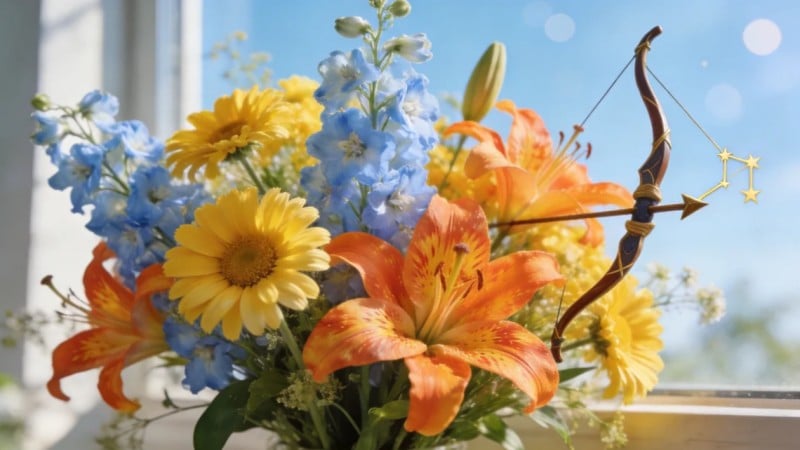
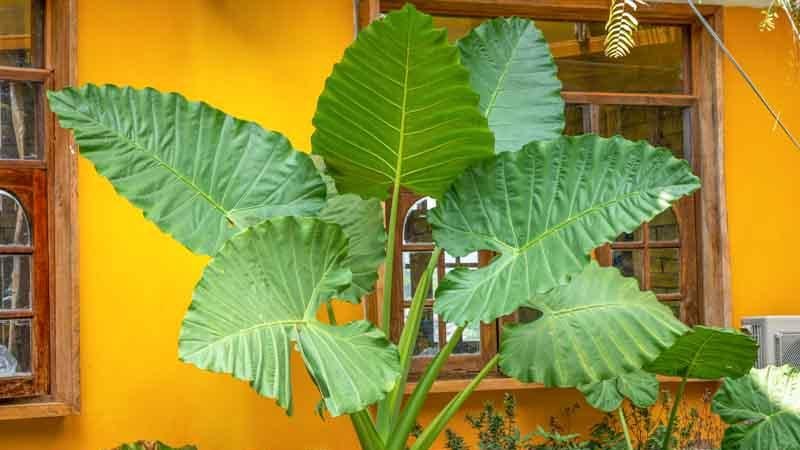
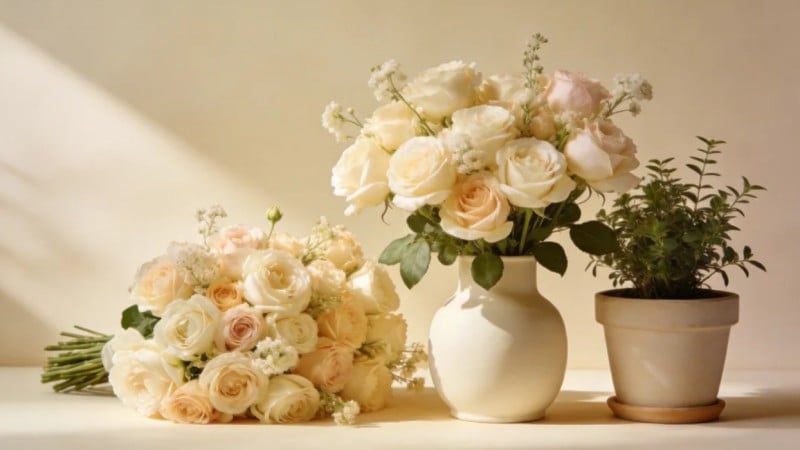

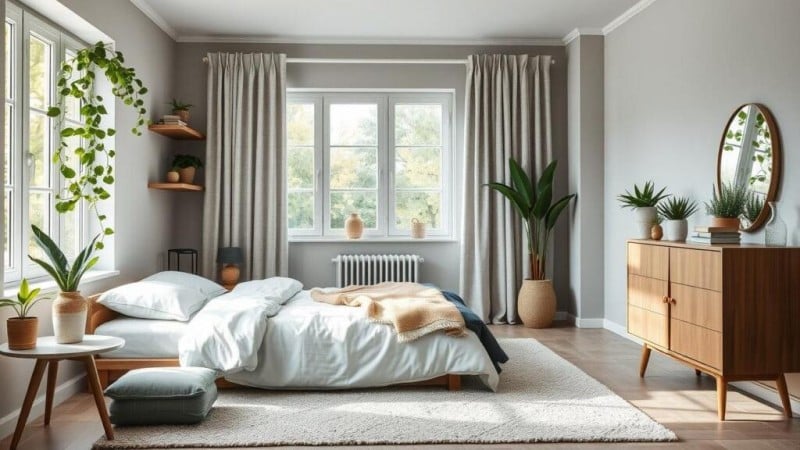
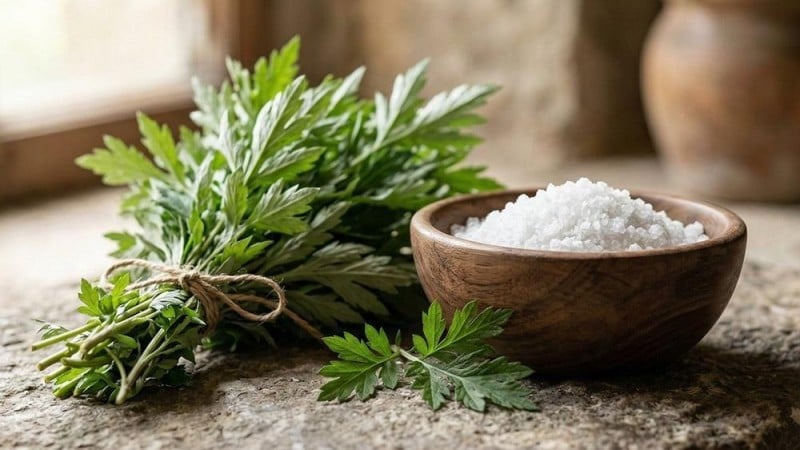
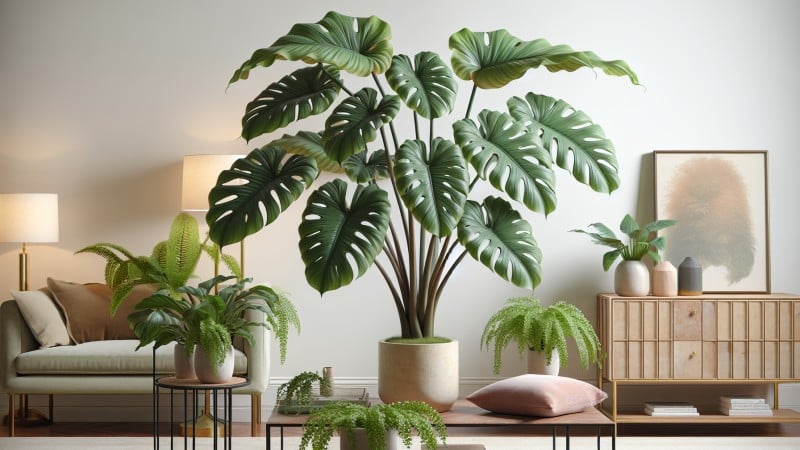
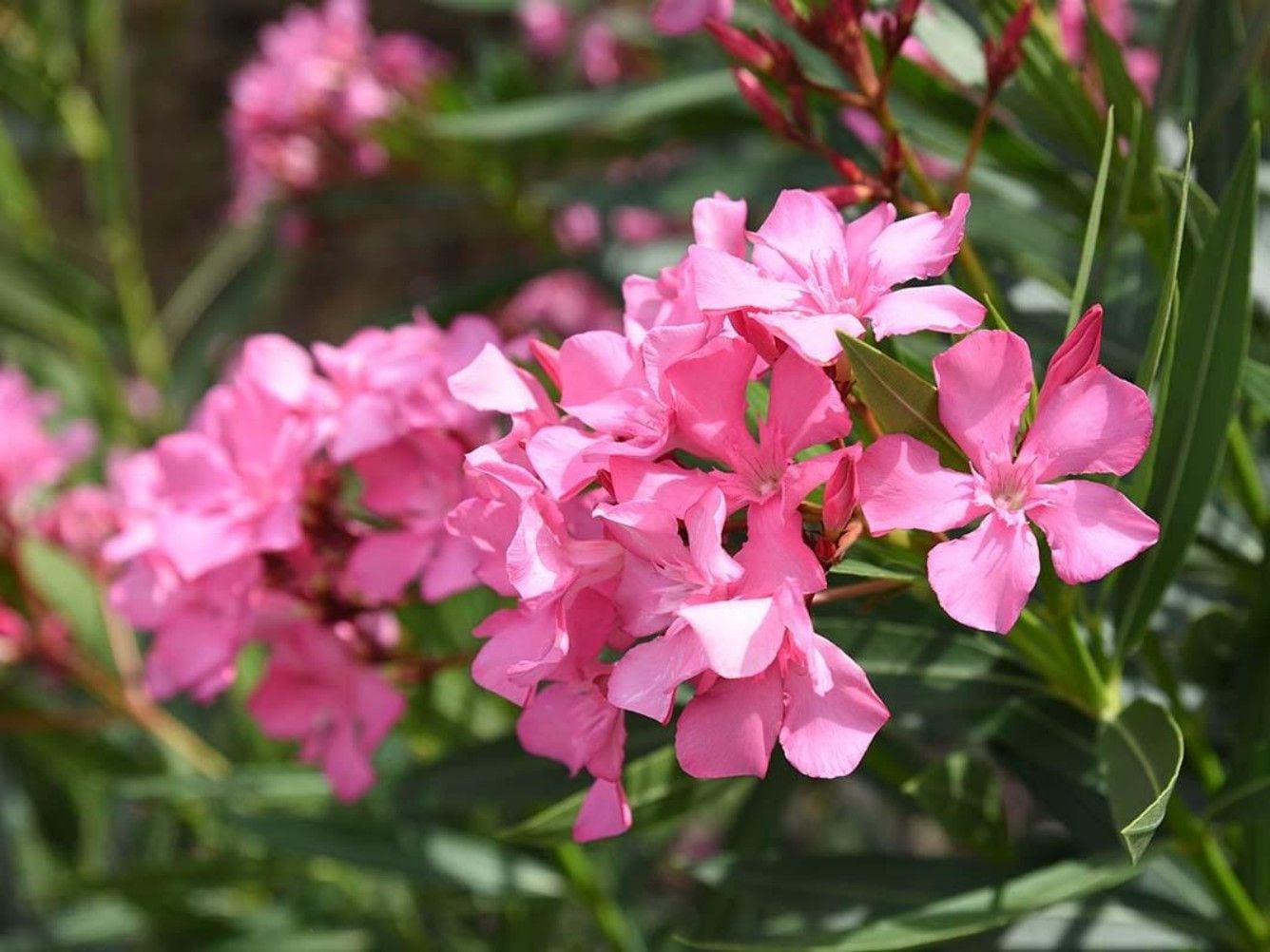
 Poisonous and danger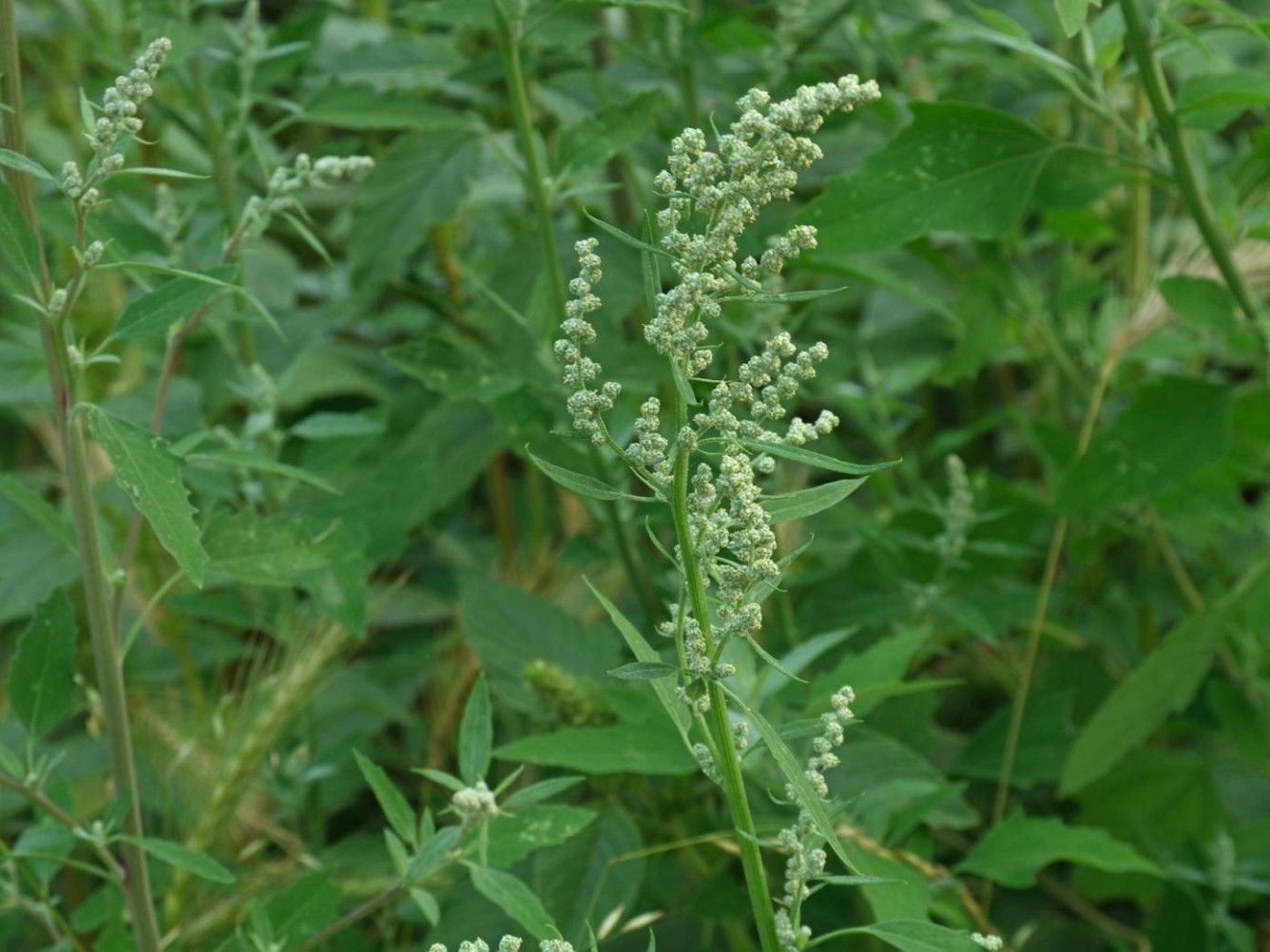
 Wild and common weed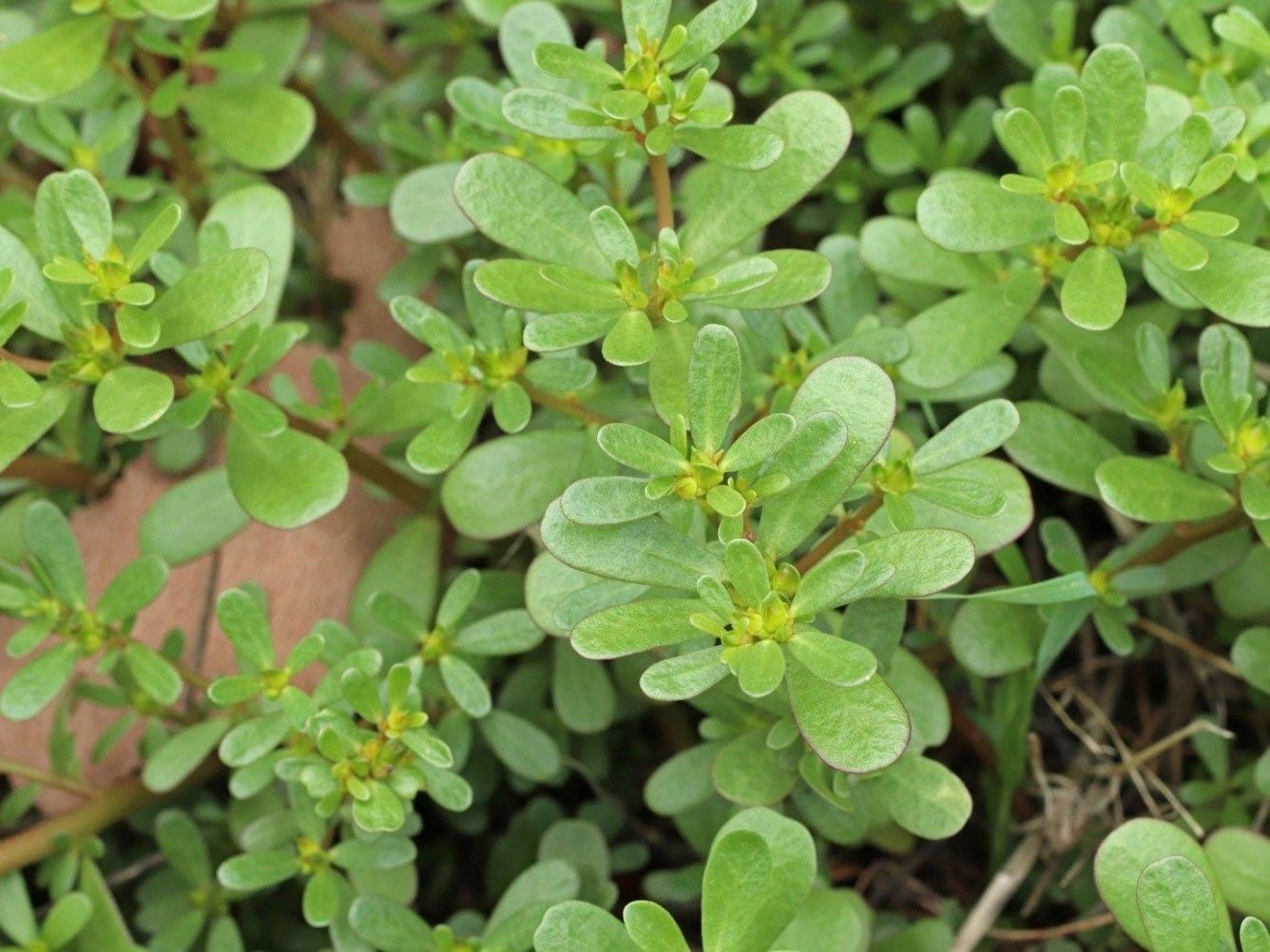
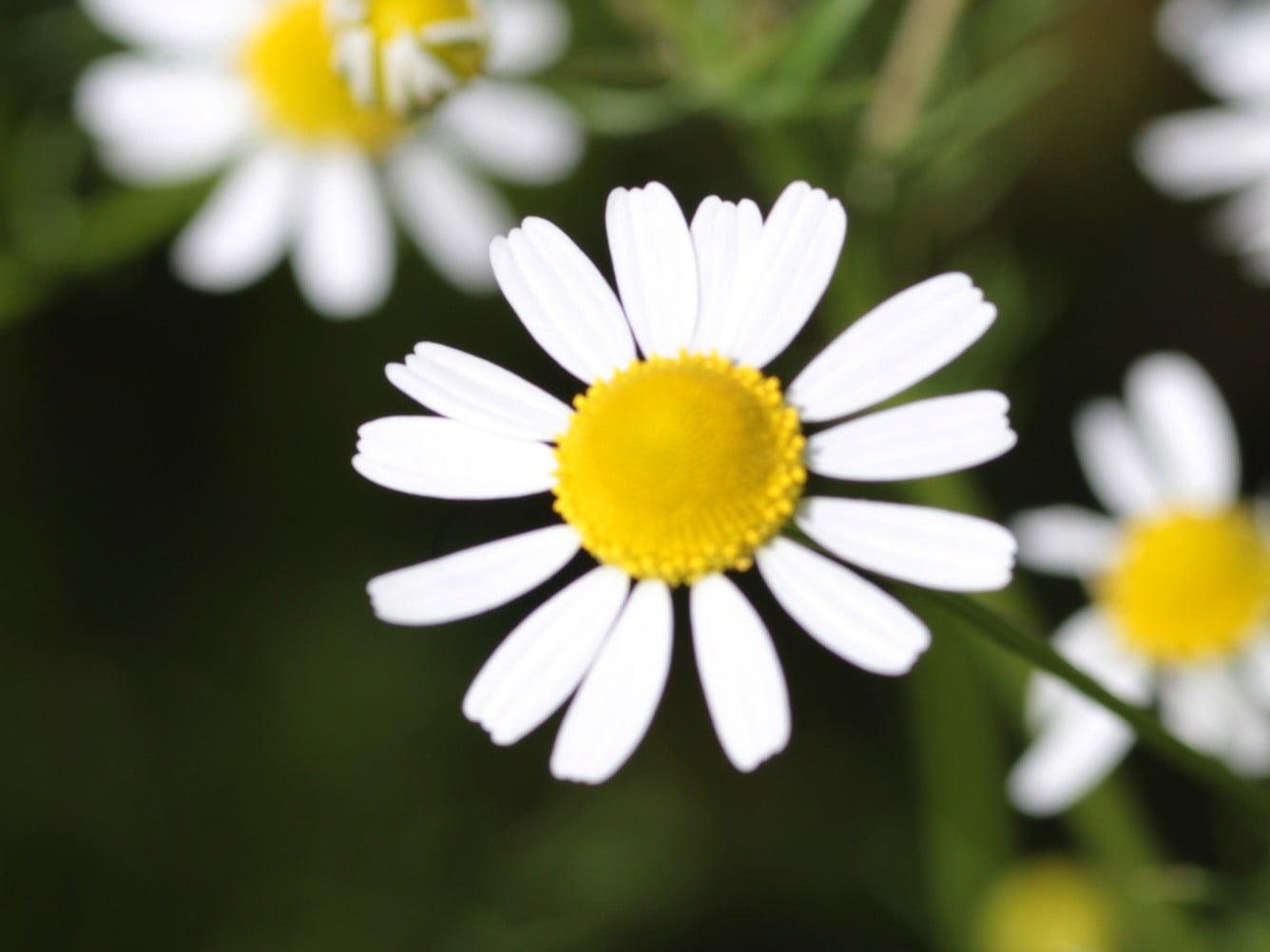
 Edible and medicinal