Alstroemeria
-
 Ornamental and lands
 - Also known as:Peruvian Lily,Lily of the Incas,Lily of the Incas
 Ornamental and lands
Nursing Skills
Alstroemeria prefers light; ample diffused light promotes flowering, but it should be protected from intense, direct sunlight in midsummer. The soil should be loose, well-aerated, and well-drained, kept slightly moist without waterlogging, and root rot must be strictly prevented. It thrives in mild temperatures and is sensitive to cold and frost;
Advertisement
Plant Properties
-
- Toxicity
- Slightly toxic to humans and pets
-
- Plant Type
- Perennial herbaceous flowering plant
-
- Plant Height
- Mature plants typically reach a height of about 30–100 centimeters
-
- Flower Color
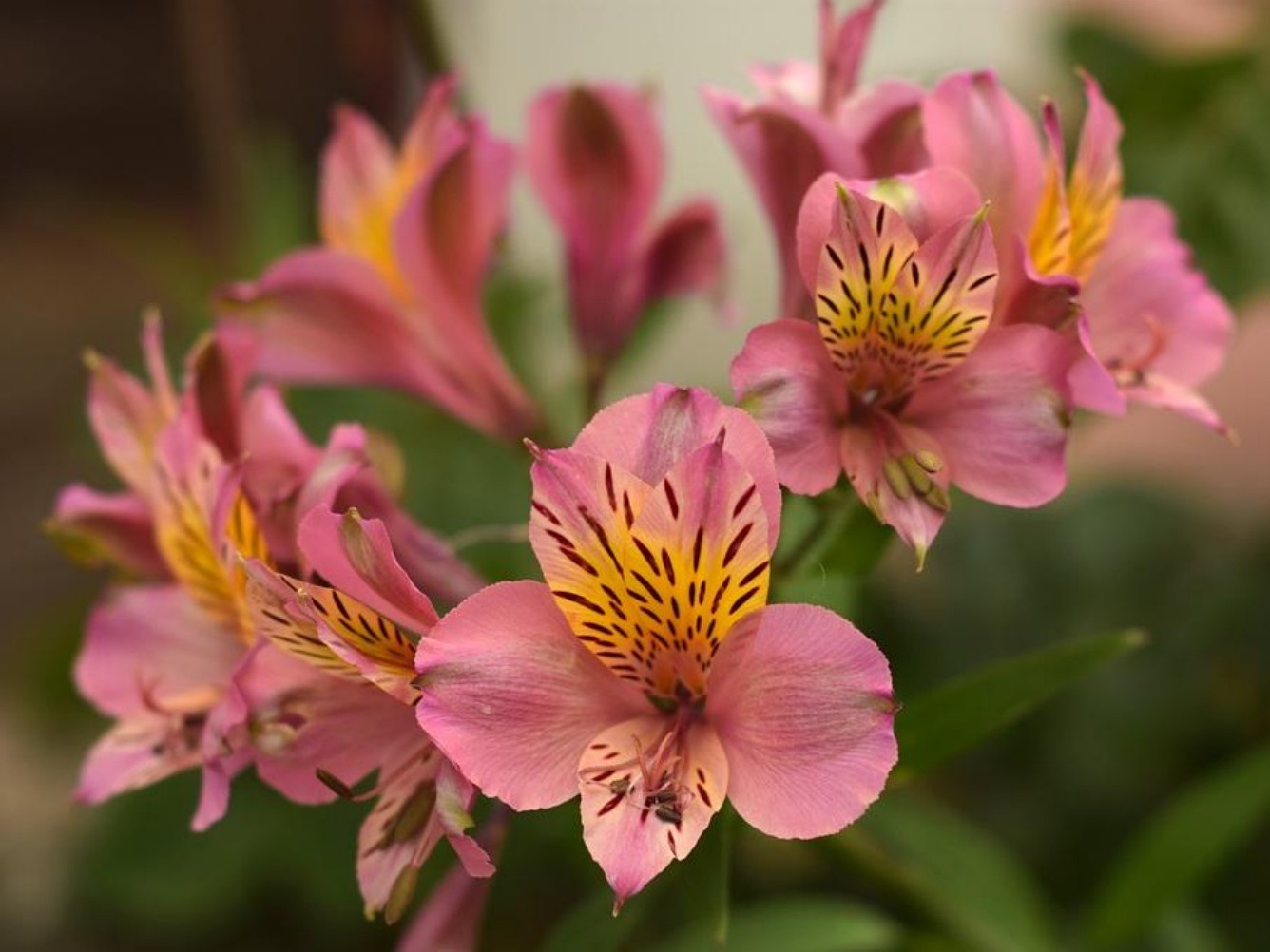
- White, yellow, pink, orange, red, purple, and bicolored varieties
-
- Flowering Season
- The natural flowering season is typically from late spring through summer
-
- Flower Shape
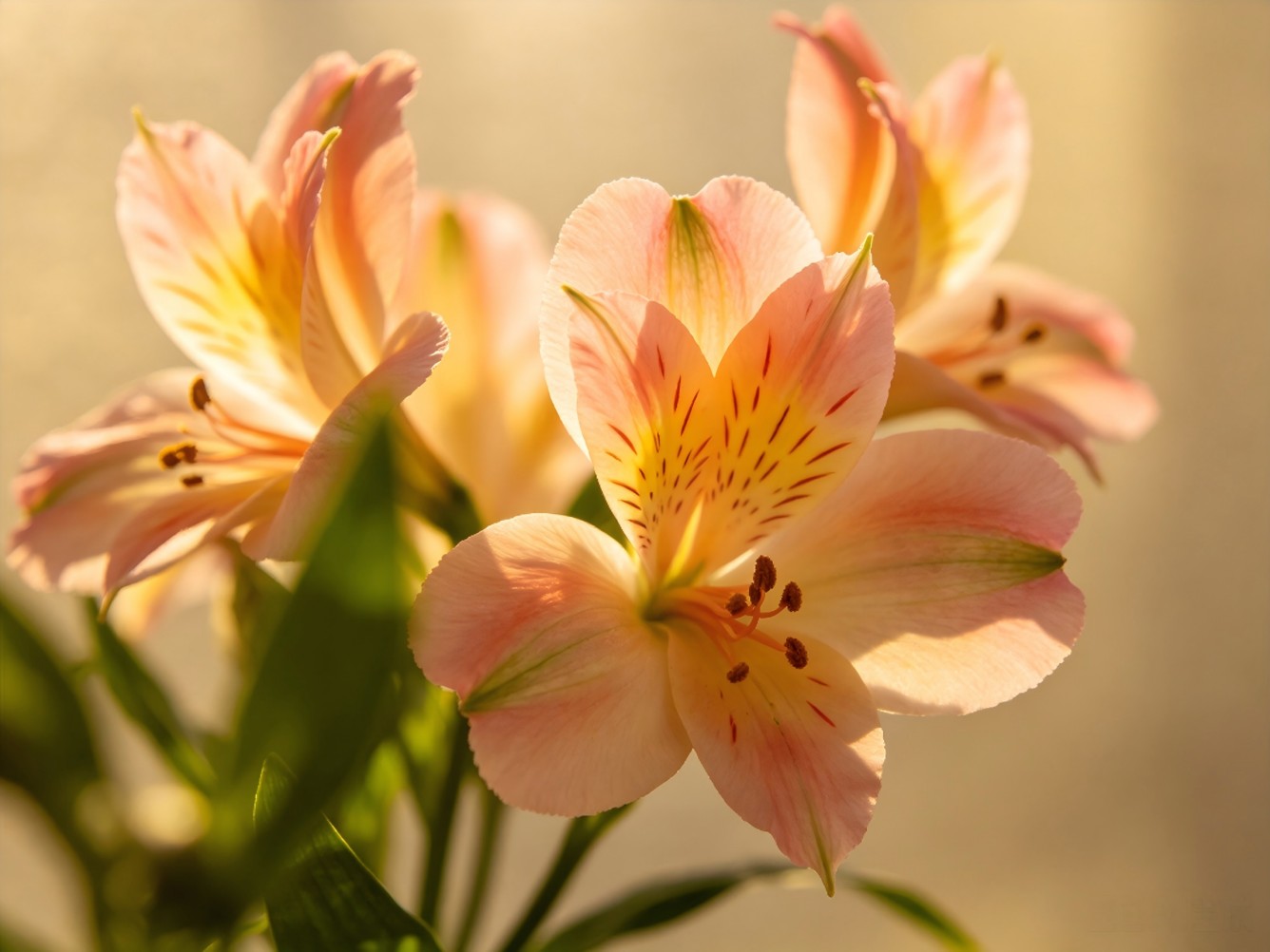
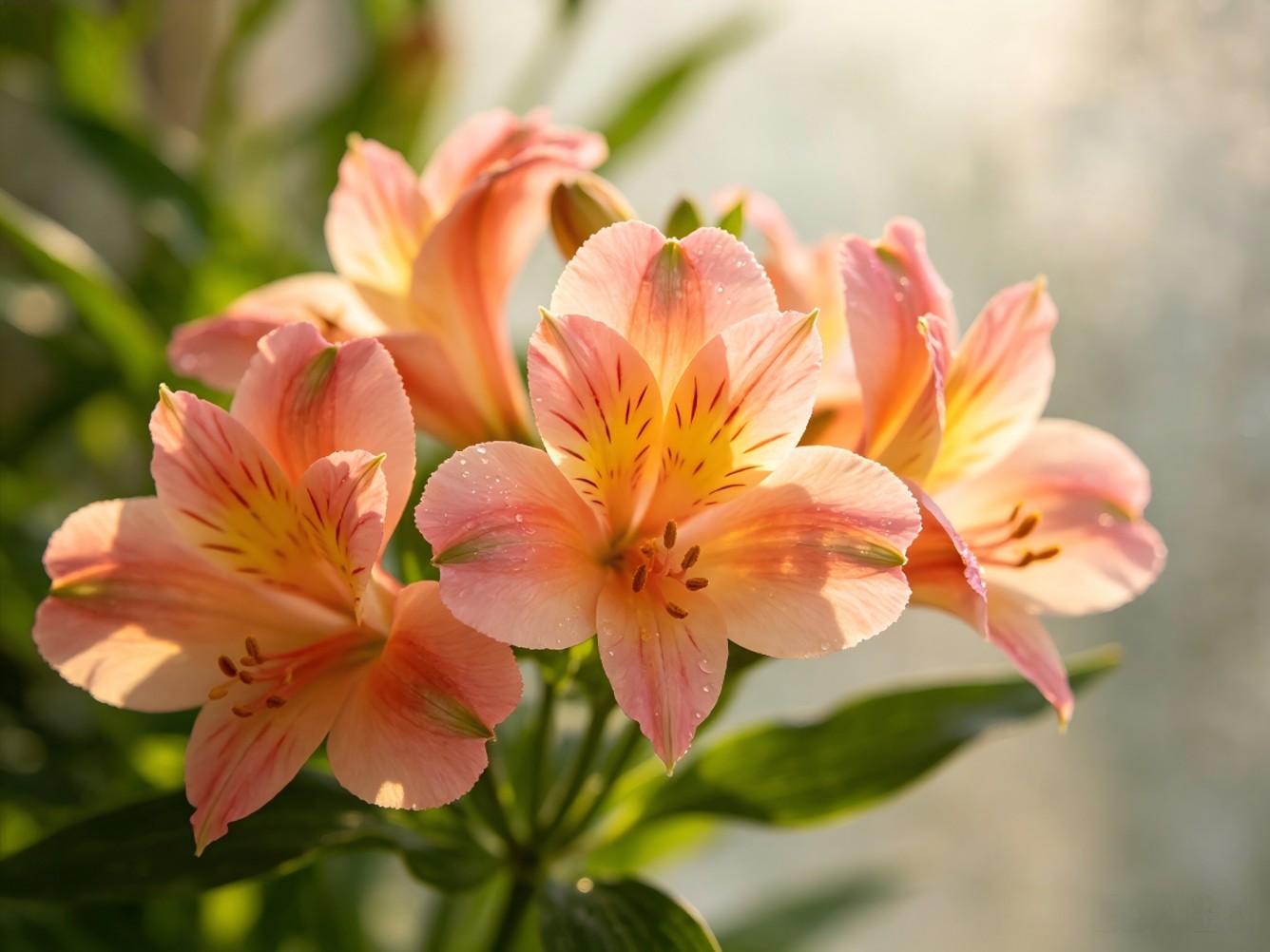
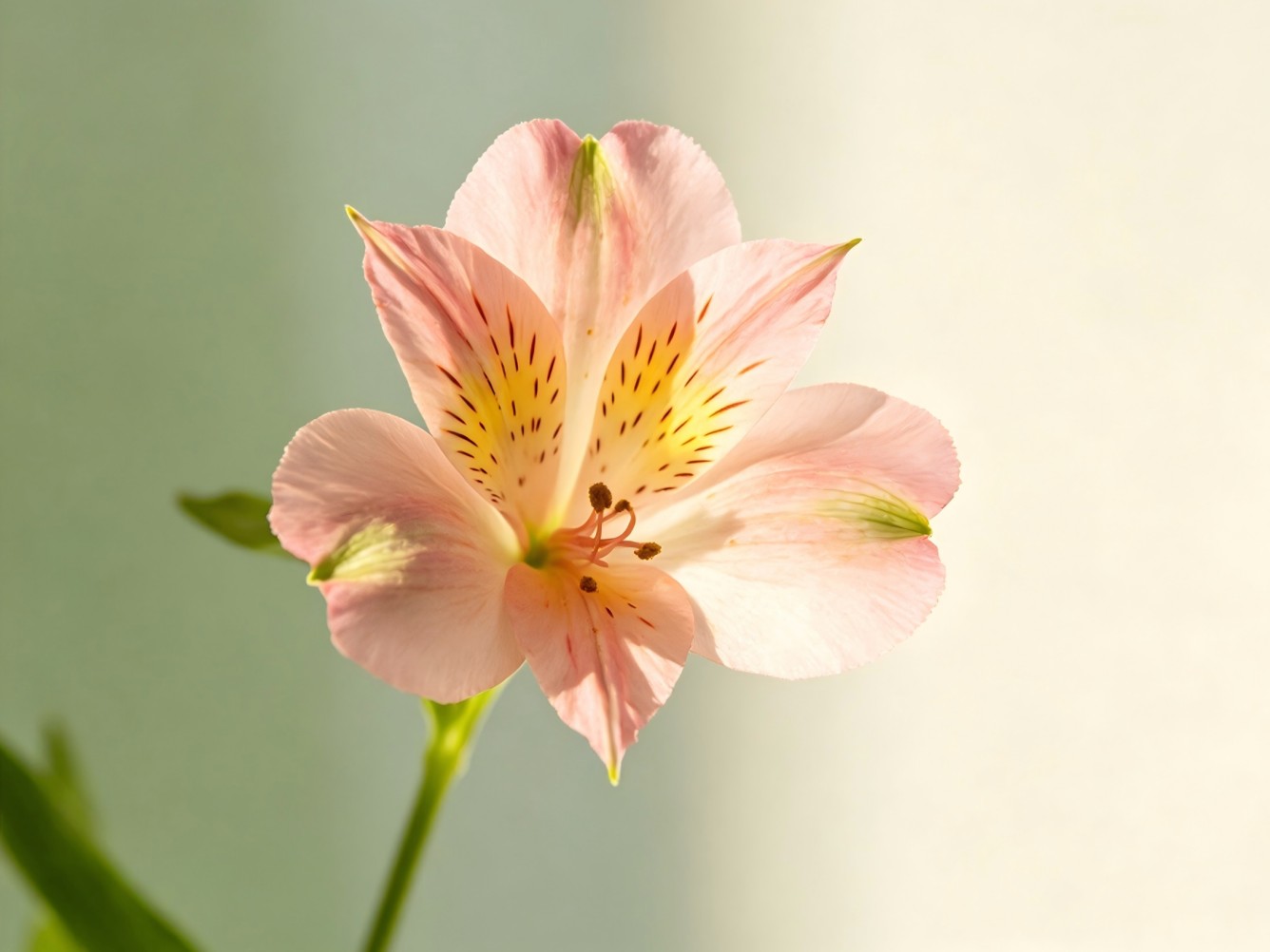
- The flowers are funnel-shaped or lily-shaped, consisting of 6 perianth segments
Plant Care Requirements
-
Watering Requirements
Keep the soil slightly moist; during the growing season, water 1–2 times per week
-
Soil Requirements
Best grown in loose, fertile, organic-rich, well-drained soil with a slightly acidic to neutral pH
-
Planting Time
Spring or fall is the best time to plant, as the mild weather during these seasons promotes root establishment and subsequent growth
-
Temperature Requirements
The ideal growing temperature is 15–25°C. It prefers a cool environment; ensure good ventilation during hot weather, and protect from frost in winter
-
Light Requirements
Prefers full sun but can also tolerate partial shade; receiving about 6 hours of sunlight daily helps promote continuous blooming
-
Pruning Requirements
Promptly remove spent flowers and yellowed leaves after blooming to encourage new shoot growth, maintain an attractive plant shape, and extend the flowering period
Advertisement
Plant Care Guide
-
Why Won’t My Alstroemeria Bloom?
Insufficient light, nutrient imbalance, young plants, or unsuitable temperaturesWhen Alstroemeria fails to bloom, it is typically due to insufficient light, nutrient imbalance, young plants, or unsuitable temperatures. If kept in a dark environment for an extended period, the plant will prioritize leaf growth and struggle to form flower buds. Additionally, applying too much nitrogen fertilizer can lead to vigorous foliage growth but a lack of blooms. It is recommended to increase daily light exposure and supplement with fertilizer high in phosphorus and potassium during the flower bud differentiation period. At the same time, maintain an appropriate temperature and a regular watering schedule, avoid moving the pot frequently, and provide the plant with a stable growing environment; this will usually allow it to gradually resume normal flowering.
-
Can Alstroemeria be grown in pots?
Of courseAbsolutely. Alstroemeria is very well-suited for container gardening. As long as you choose a pot of appropriate size and ensure it has good drainage holes at the bottom, you can meet its normal growth needs. When growing in pots, use loose, well-aerated potting soil and ensure ample sunlight, moderate watering, and regular fertilization. As the plant grows, repot it every 1 to 2 years based on the growth of the root system, replacing the potting mix to provide more space for the roots to expand. Proper pot care will also help Alstroemeria maintain vigorous growth and continuous blooming.
-
What should I do after my Alstroemeria flowers fade?
Remove spent blooms and withered flower stalks promptlyAfter the flowers fade, promptly remove spent blooms and withered flower stalks. This not only keeps the plant neat and attractive but also reduces nutrient waste, allowing the plant to dedicate more energy to the growth of new buds and flower branches. If you find any yellowing, aging, or damaged leaves, you can also prune them to improve ventilation. It is recommended to use clean, sharp pruning shears and avoid damaging healthy branches. After pruning, you can replenish water and nutrients appropriately to help promote the growth of new flower branches and increase the number of subsequent blooms.
-
How can you extend the vase life of Alstroemeria as cut flowers?
Make a diagonal cut about 1 to 2 centimeters from the bottom of the stemAlstroemeria is one of the world’s most famous cut flowers and typically has a long vase life. After harvesting, first make a diagonal cut about 1 to 2 centimeters from the bottom of the stem to increase the water-absorption surface area, then place the flowers in clean water. It is recommended to change the water in the vase every 2 to 3 days and trim the stems again each time. This effectively reduces bacterial growth and improves water absorption. When displaying the flowers, avoid direct sunlight, air conditioning vents, and the vicinity of ripe fruit, as the ethylene released by fruit accelerates the aging of the flowers. Keeping the environment cool and promptly removing any leaves submerged in water can further extend their vase life.
-
How to Care for Alstroemeria in Summer?
Provide moderate shade when sunlight is too intenseHigh summer temperatures put Alstroemeria under significant growth stress, so it’s important to adjust your care routine accordingly. When midday sunlight is too intense, provide moderate shade to prevent leaf scorch. At the same time, maintain good air circulation to minimize the adverse effects of high temperatures on the plants. Watering should be done in the early morning or evening to avoid shocking the roots with cold water during the hottest part of the day. During prolonged periods of high temperatures, you can slightly increase the humidity, but be sure not to allow water to pool in the soil for extended periods. You should also reduce the application of high-concentration fertilizers in summer to avoid overburdening the root system, helping the plant get through the hot season smoothly.
-
How to Promote Continuous Reblooming of Alternanthera philoxeroides and Achieve Multi-Seasonal Flowering?
Nutrient Supplementation, Proper Pruning, and Stable Light ConditionsThe key to encouraging Alternanthera philoxeroides to bloom repeatedly lies in timely nutrient replenishment after the initial blooms, proper pruning, and stable light conditions. After the first batch of flowers fades, do not allow the remaining flowers to develop seed pods. Seed formation will consume a large amount of nutrients stored in the rootstock, severely inhibiting the formation of subsequent flower buds. Immediately remove any faded flowers from the base of the flower stalk, leaving only healthy leaves for photosynthesis. After pruning, apply a diluted phosphorus and potassium fertilizer every two weeks to continuously supply the nutrients needed for flowering. Suspend high-nitrogen fertilizers to prevent branches and leaves from competing for nutrients. Sustained light is essential; a long-day environment is necessary to continuously induce flower bud formation. Temperature control is also crucial. Flowering ability is strongest at 15–25℃. Temperatures consistently above 30℃ will cause the plant to enter semi-dormancy and stop developing flower buds. Provide shade and cooling during hot seasons. Furthermore, avoid using overly small pots; ample space allows the rootstock to expand. The more developed the rootstock, the stronger the flowering potential. With proper watering, fertilization, pruning, and temperature control, Alstroemeria can bloom continuously from late spring to autumn under suitable environmental conditions.
Advertisement
Frequently Asked Questions
-
1 How to determine if Alstroemeria is healthy?
Healthy Alstroemeria typically has glossy, dark green leaves, upright stems, stable growth, and continuous new leaf and flower bud development. The roots are white or light yellow, odorless, and show no obvious signs of rot. Vibrant flower color, intact petals, and a long flowering period are also important indicators of plant health. If yellowing leaves, weak stems, reduced flower quantity, or root rot persist, it indicates that the growing environment or management methods need adjustment. Regularly observing the growth of leaves, roots, and new shoots helps to identify and address problems early, ensuring the plant maintains good growth.
-
2 How to keep Alstroemeria looking its best?
To maintain the health and aesthetic appeal of Alstroemeria long-term, comprehensive management of light, watering, fertilization, pruning, and pest and disease control is necessary. Maintaining sufficient daily sunlight, controlling watering frequency appropriately, avoiding prolonged waterlogging, and regularly supplementing nutrients during the growing season will promote continuous flowering. After flowering, promptly prune spent blooms and withered leaves to reduce nutrient consumption and stimulate new shoot growth. In addition, ensure good ventilation, regularly observe the health of leaves and roots, and address any problems promptly. With consistent scientific care, Alstroemeria can typically maintain vigorous growth for many years, producing stable and beautiful flowering.
-
3 What causes yellowing leaves in Alstroemeria?
Yellowing leaves in Alstroemeria are usually the result of multiple factors, such as overwatering leading to root hypoxia, prolonged water shortage causing dehydration, insufficient light affecting chlorophyll formation, or nutrient deficiency leading to leaf aging. Furthermore, persistent soil compaction, poor drainage, and drastic temperature fluctuations can also cause leaves to gradually turn yellow. When yellowing leaves are observed, first check the soil moisture and root condition, then adjust the growing environment accordingly. Promptly prune withered and yellowed leaves, and improve light, watering, and fertilization management. In most cases, the plant can recover and grow healthily.
-
4 Is Alstroemeria susceptible to pests and diseases?
Alstroemeria generally has good disease resistance, but if it is kept in a hot, humid, and poorly ventilated environment for a long time, it may still be susceptible to gray mold, root rot, and common pests and diseases such as aphids and spider mites. In daily care, maintain appropriate spacing between plants, avoid prolonged water accumulation on leaves, and promptly remove withered leaves and spent flowers to reduce the growth of pathogens. When abnormal spots, curling, or pests are found on the leaves, isolate the plant as soon as possible and use physical removal or horticultural-specific control measures as needed. Good environmental management is usually more important than post-treatment.
-
5 Why does Alstroemeria sometimes collapse?
Alstroemeria has relatively long branches. When the plant is growing vigorously or has many flowers, insufficient light, excessive branch growth, or exposure to strong winds or heavy rain can easily lead to lodging. In addition, excessive nitrogen fertilizer can soften the branches and reduce their supporting capacity. To prevent the plant from falling over, install a horticultural support or support ring when the plant is tall, while ensuring sufficient sunlight and proper fertilization to promote robust stem growth. For branches that have already fallen over, they should be straightened and secured promptly to prevent breakage and maintain the overall aesthetic appeal.
Advertisement
Introduction
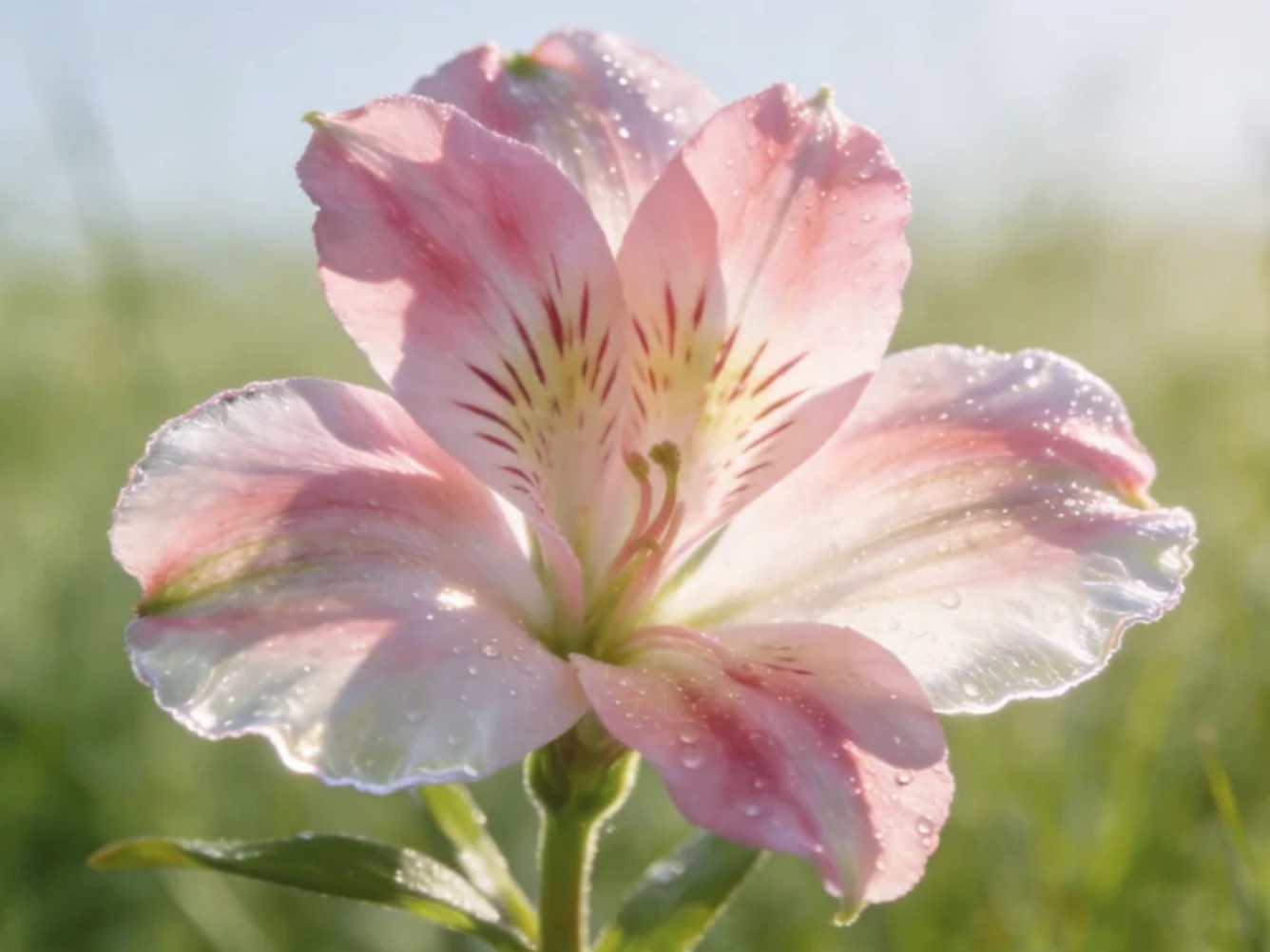
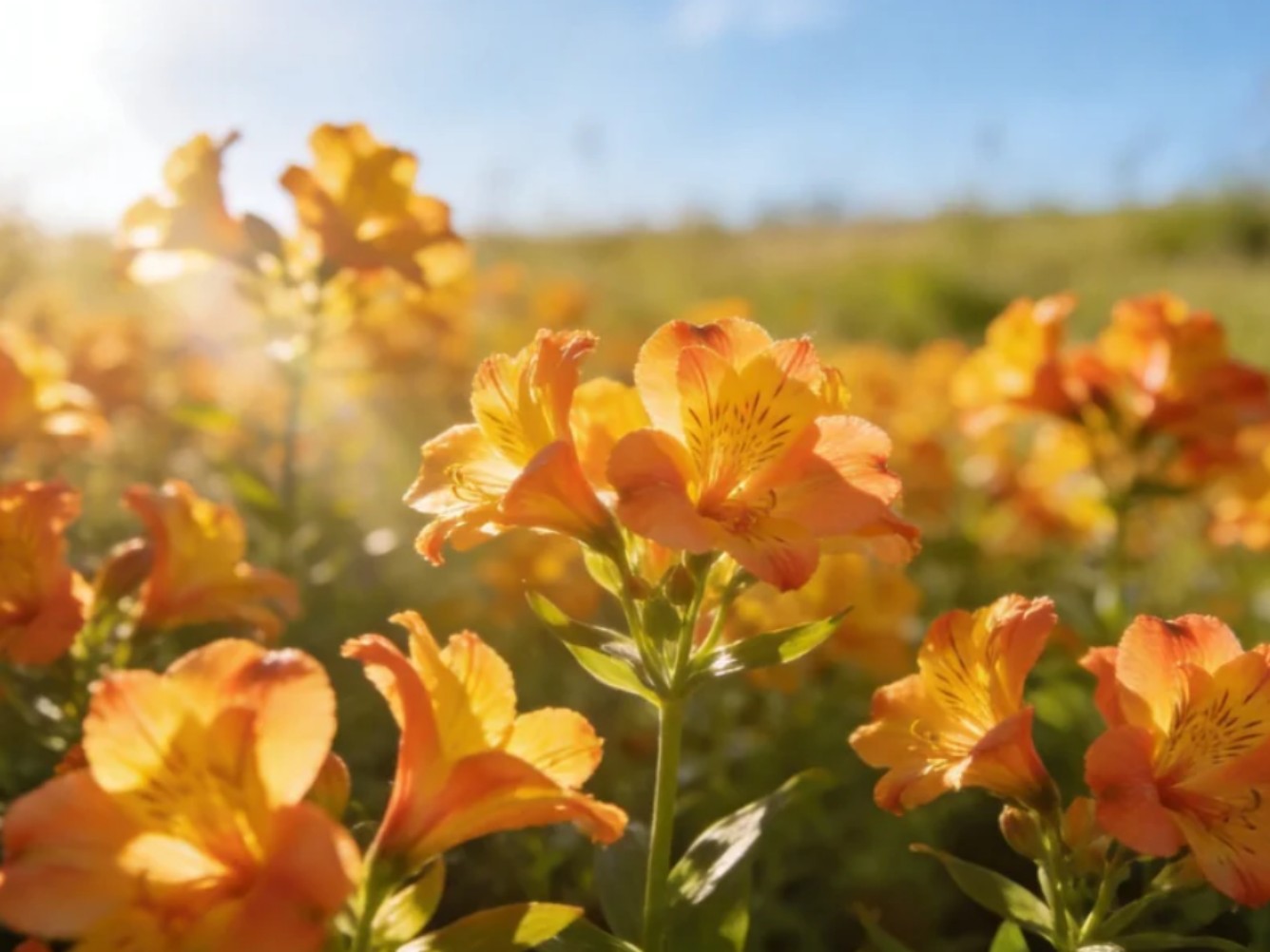
Alstroemeria is a perennial ornamental herb native to South America. Its flowers come in a rich variety of colors, with petals often featuring exquisite stripes or spots, and their shape is elegant and layered. These six-petaled flowers have a long blooming period and excellent vase life, making them a common cut flower variety in the international floral market. They are also widely used in garden beds, flower borders, and as potted ornamental plants.
Popular Plant Encyclopedia
-
-
Poisonous and danger
- Rhus typhina
-
-
-
Edible and medicinal
- Common sunflower
-
-
-
Poisonous and danger
- Plumeria rubra
-
-
-
Wild and common weed
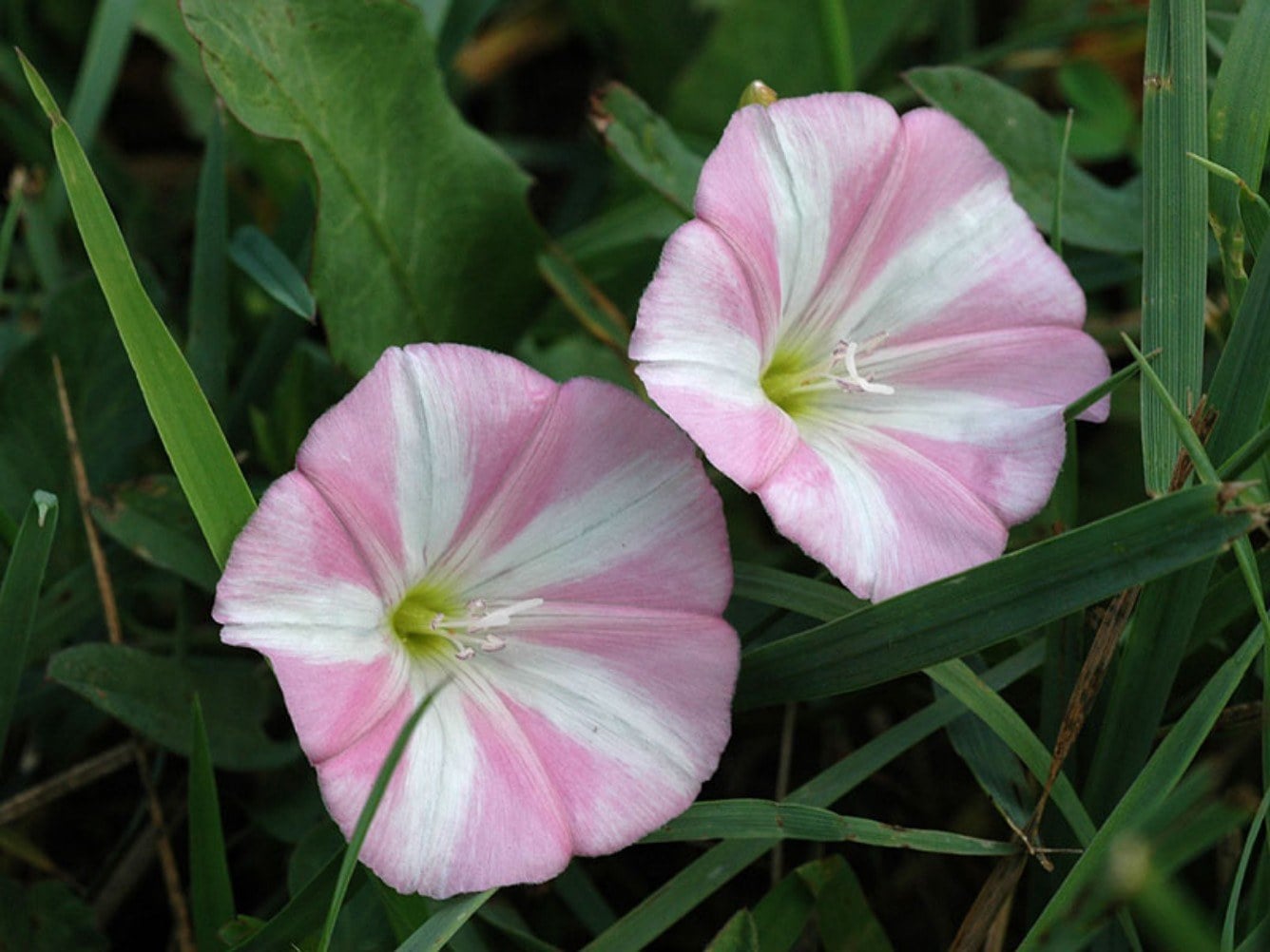
- Convolvulus arvensis
-
-
-
Edible and medicinal
- Perilla frutescens
-
-
-
Edible and medicinal
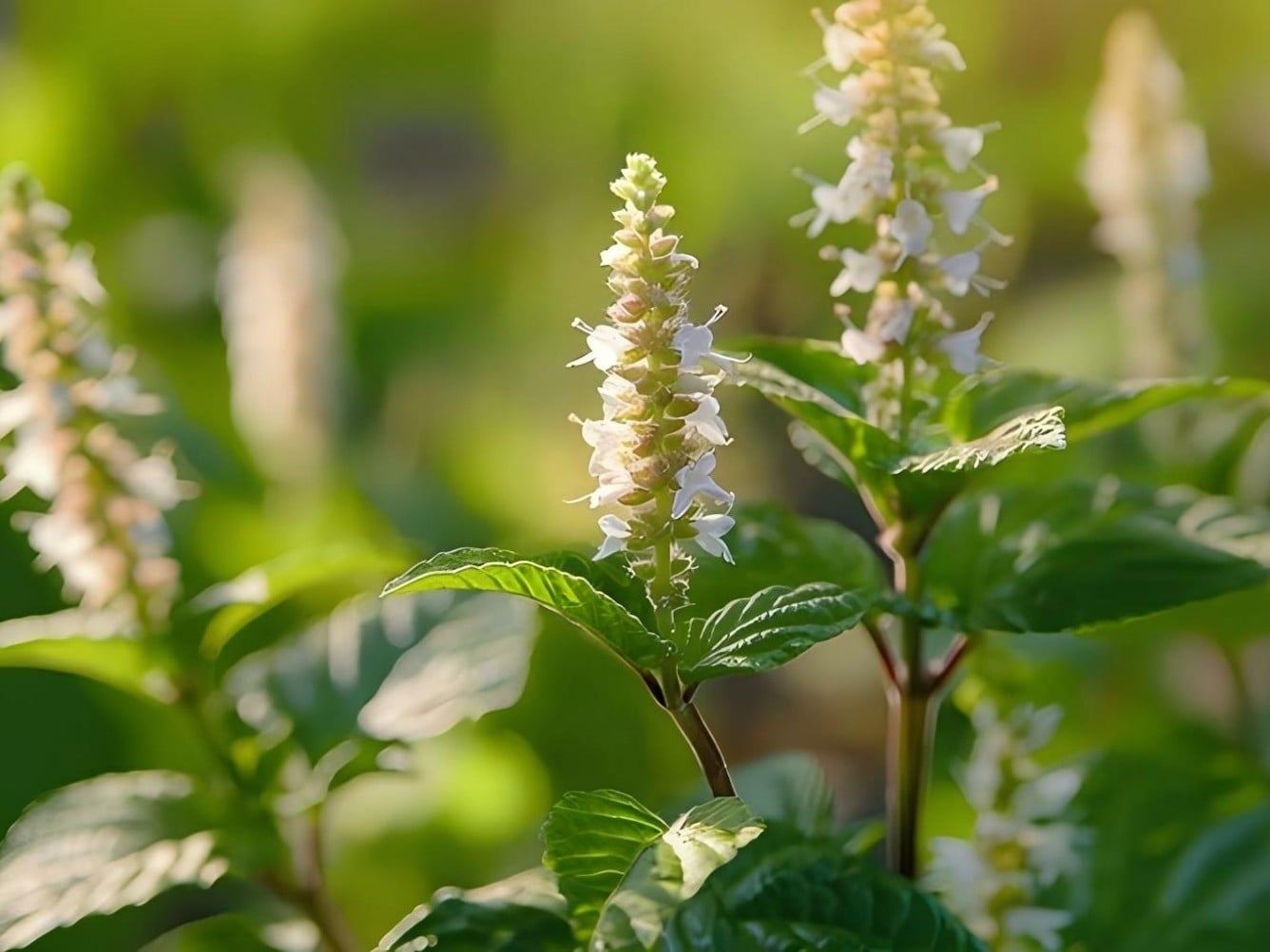
- Pogostemon cablin
-
-
-
Edible and medicinal
- Common fenugreek
-
-
-
Edible and medicinal
- Garden Thyme
-
 Poisonous and danger
 Edible and medicinal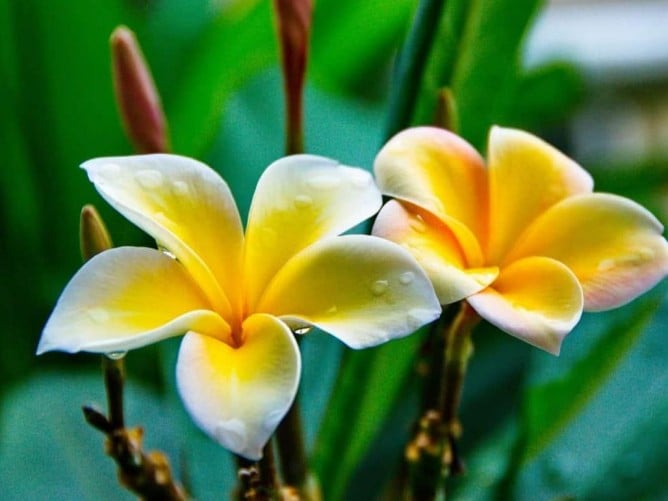
 Wild and common weed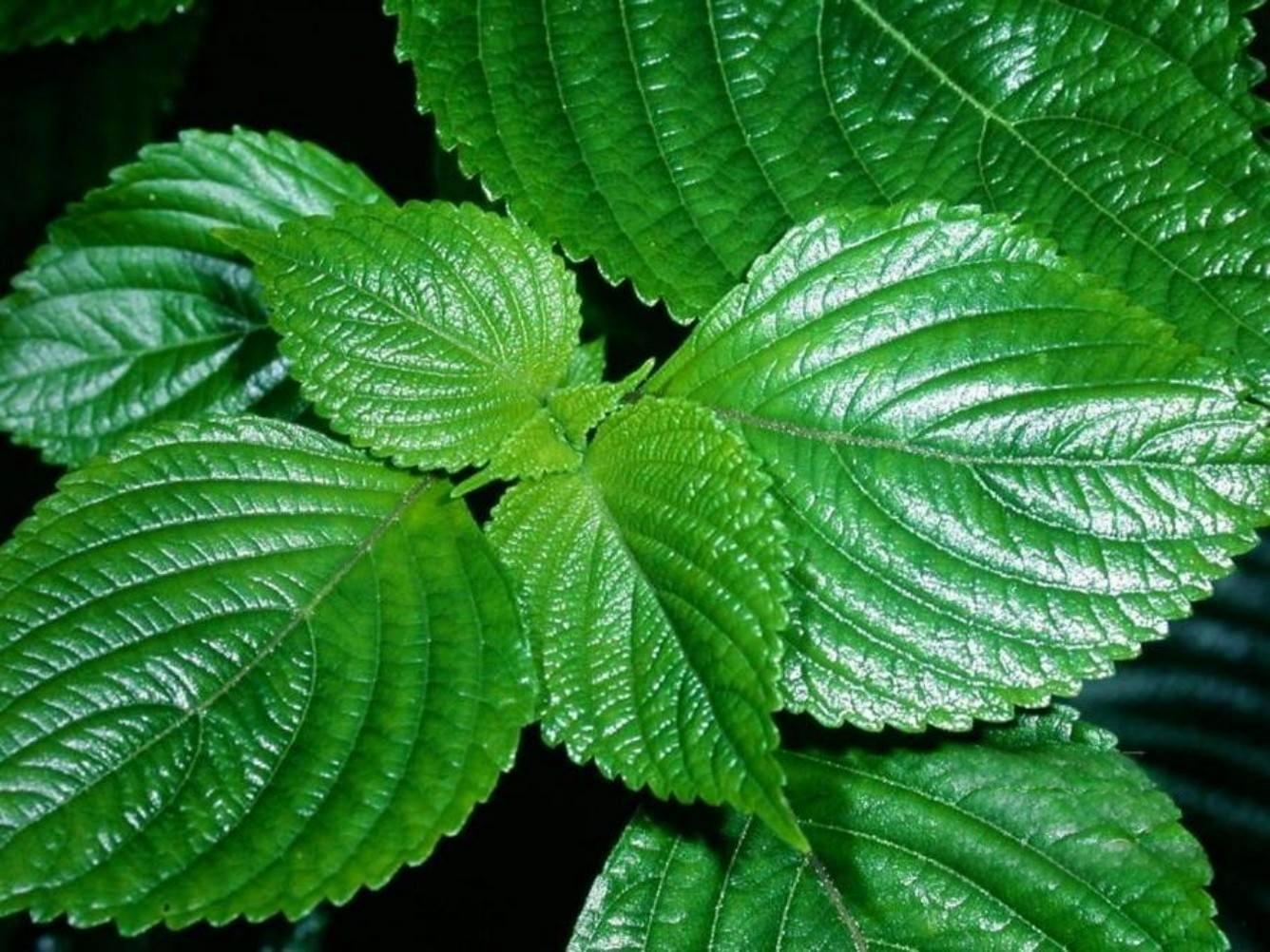
Advertisement